Category: Uncategorized
-

Takemichi Hanagaki-Tokyo Revengers: A Letter from Keisuke Baji
Introduction
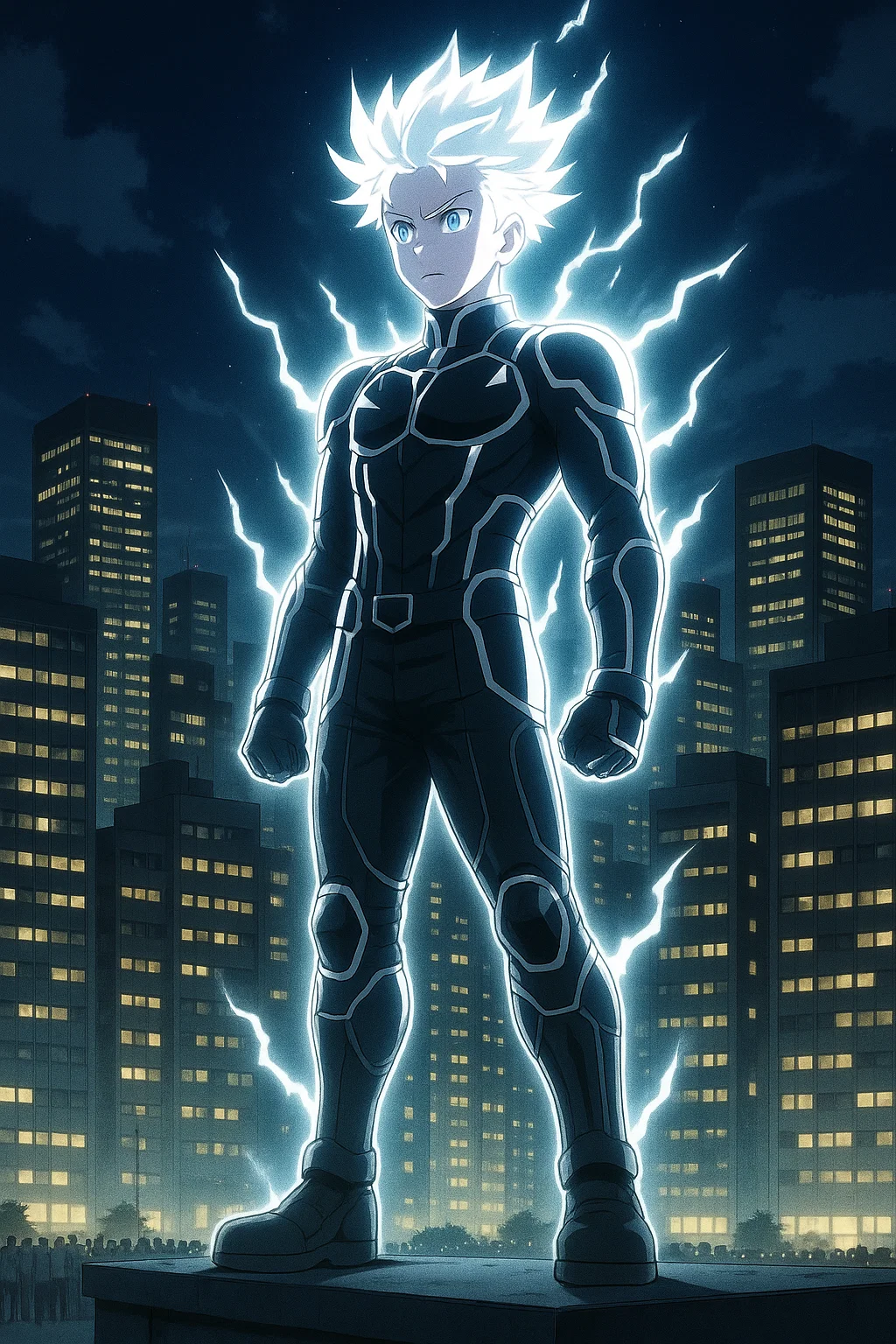
Takemichi Hanagaki is the main protagonist of Tokyo Revengers, a character defined not by overwhelming strength, but by unbreakable will, compassion, and determination. He starts as a timid adult living an unfulfilled life but quickly becomes a beacon of change when he gains the ability to leap through time. In Tokyo Revengers: A Letter from Keisuke Baji, Takemichi’s journey takes on even greater emotional weight, as Baji’s sacrifice becomes a source of inspiration and responsibility for him.

Role in Tokyo Revengers
Takemichi’s journey begins when he learns of the tragic death of his middle school girlfriend, Hinata Tachibana. After a near-death experience, he finds himself sent back 12 years into the past. Given a second chance, Takemichi vows to save Hinata’s life and change the fate of his friends by infiltrating and reforming the Tokyo Manji Gang (Toman).

Powers and Abilities
Time-Leap Ability
Takemichi can leap 12 years into the past when shaking hands with Naoto Tachibana (Hinata’s brother). This power allows him to relive his youth and alter the timeline to prevent future tragedies.

Indomitable Willpower
Takemichi often gets beaten down, but he never gives up. His emotional resilience and willingness to fight even the strongest opponents inspires those around him, including top-tier gang members like Draken, Chifuyu, and Mikey.

Charisma and Influence
His sincerity, honesty, and sheer persistence earn him respect in both past and present timelines. Eventually, he rises through the ranks and leads others by example.

Relationship with Keisuke Baji
In Tokyo Revengers: A Letter from Keisuke Baji, Takemichi receives a symbolic and emotional reminder of Baji’s sacrifice. Though their time together was limited, Baji saw something in Takemichi, a torchbearer for the original values of Toman.
The letter from Baji reflects a passing of the mantle, entrusting Takemichi to carry on what the original founders of Toman believed in: loyalty, brotherhood, and justice.
Baji’s death during the Bloody Halloween Arc deeply affected Takemichi, pushing him to continue fighting for a better future.

Legacy and Impact on the Story
Takemichi Hanagaki proves that true strength isn’t physical, it’s emotional. His journey, marked by perseverance and compassion, leaves a lasting mark on everyone he meets.
- He turns enemies into allies.
- He transforms broken futures into hopeful ones.
- He embodies the very essence of Tokyo Revengers’ message: one person’s determination can change fate.
In A Letter from Keisuke Baji, Takemichi becomes a spiritual successor to Baji’s ideals, reminding readers that even the weakest can become heroes when driven by purpose.
Final Thoughts
Takemichi Hanagaki is a character who captures the spirit of Tokyo Revengers, a story about second chances, redemption, and never giving up. Though he lacks power in the traditional sense, his strength lies in his ability to believe in people, to endure suffering, and to fight for a better future.

Related Articles
-
Lucia-Magic Artisan Dahlia Wilts No More
Introduction
Lucia is one of the most fascinating and mysterious characters in the manga Magic Artisan Dahlia Wilts No More. With her enchanting presence, refined abilities, and pivotal role in the magical artisan world, Lucia has quickly become a fan-favorite. This article delves into Lucia’s powers, background, and significance in the story, providing a comprehensive view of her character while optimizing for the keyword Lucia.
Who Is Lucia?
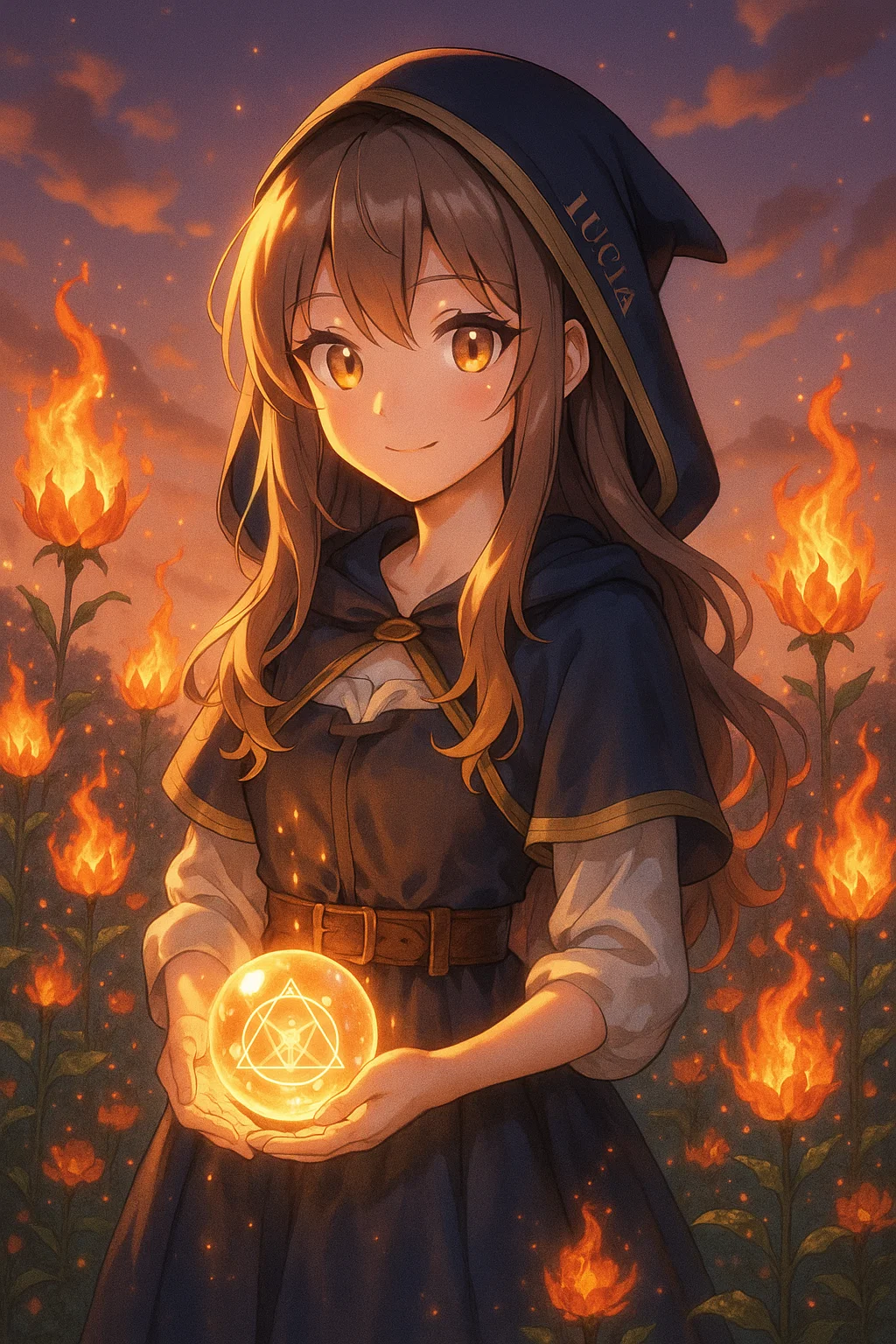
Lucia is introduced as a graceful and enigmatic magic artisan affiliated with one of the elite guilds in the kingdom. She stands out not just due to her beauty and elegance, but also her unparalleled skills in combining elemental magic with artisanal craft. Lucia’s presence exudes nobility, mystery, and intelligence, making her a standout figure among the cast.
Powers and Abilities
Elemental Infusion
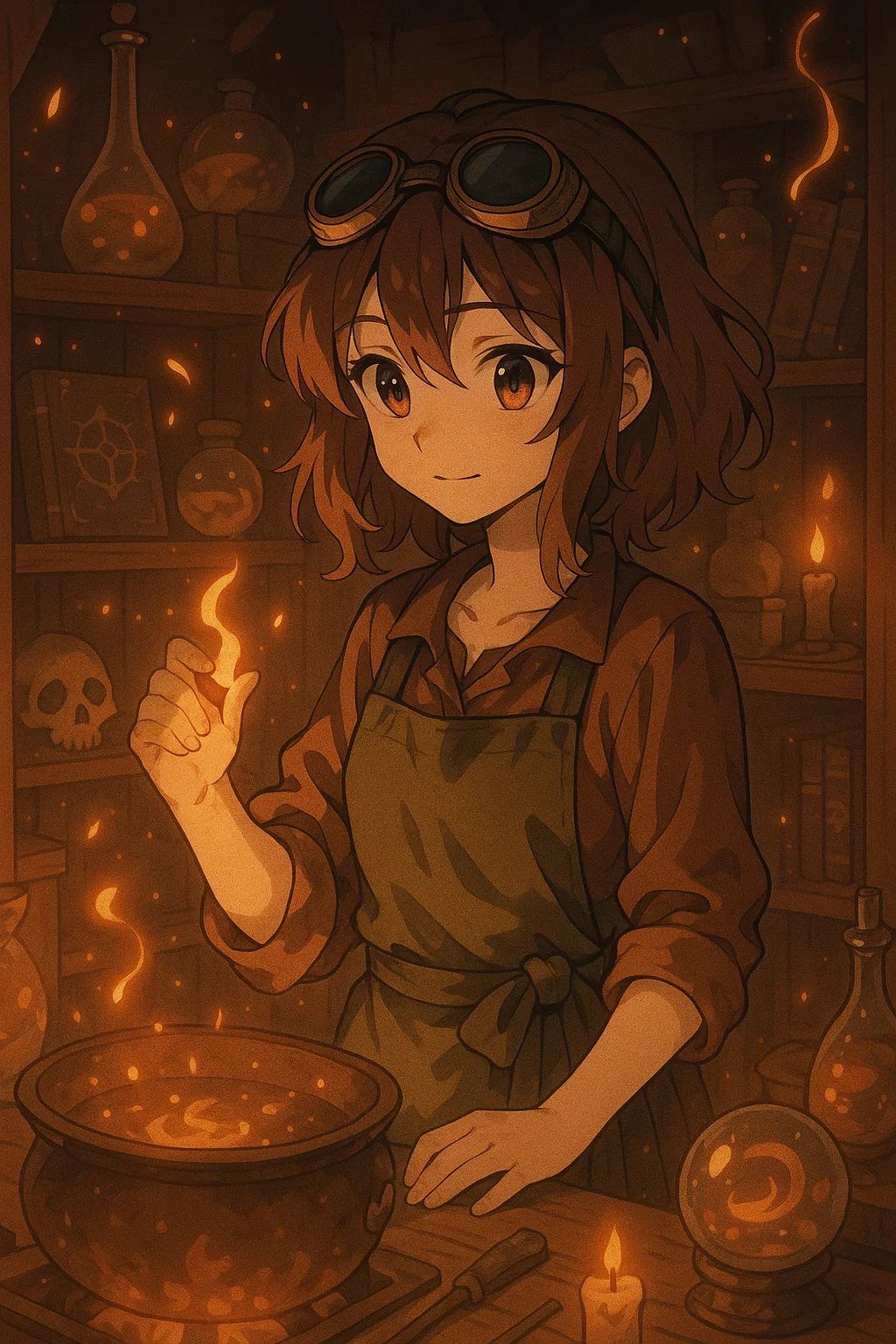
Lucia can infuse items with elemental properties, fire, ice, wind, or lightning, to enhance their effectiveness.
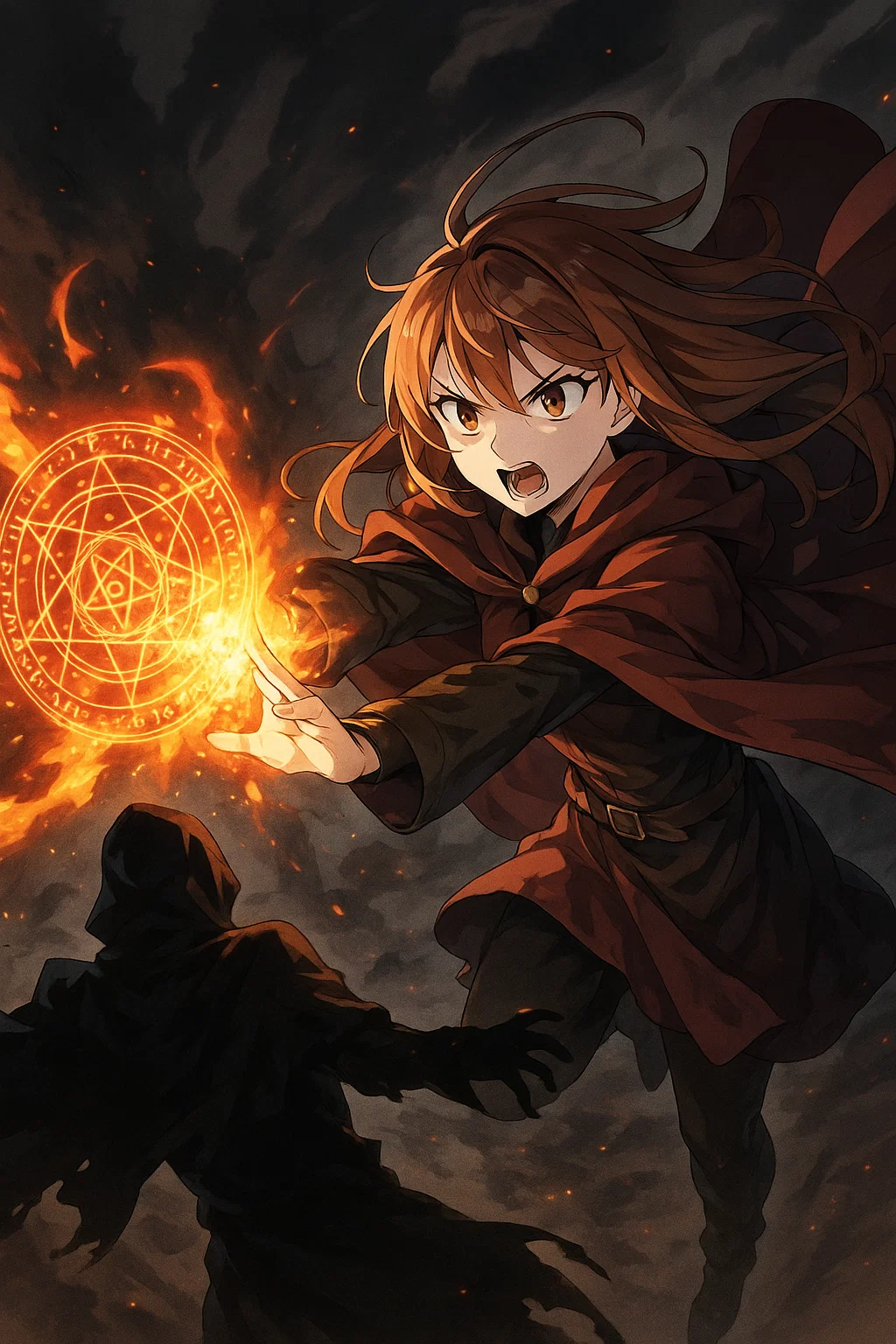
Runic Engraving
She has mastered ancient runes, allowing her to craft powerful artifacts with long-lasting enchantments.

Illusory Craft
Lucia can create illusions within objects, such as self-disguising cloaks or light-reflecting gems.
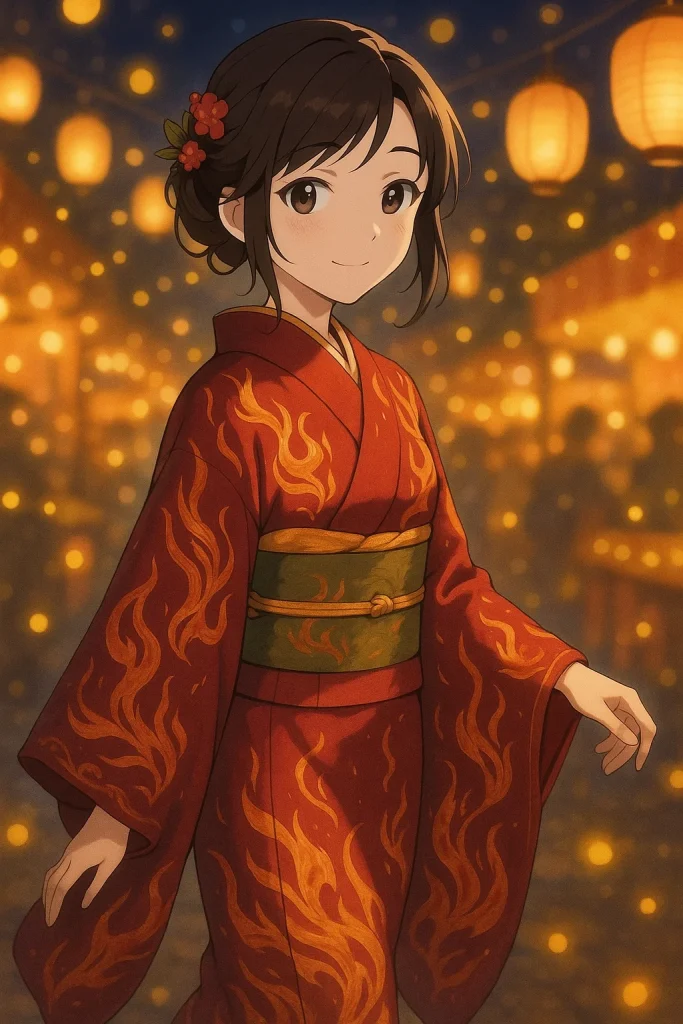
Aura Sensory Magic
She can detect magical resonance in an area or object, making her a natural talent at refining enchanted tools.
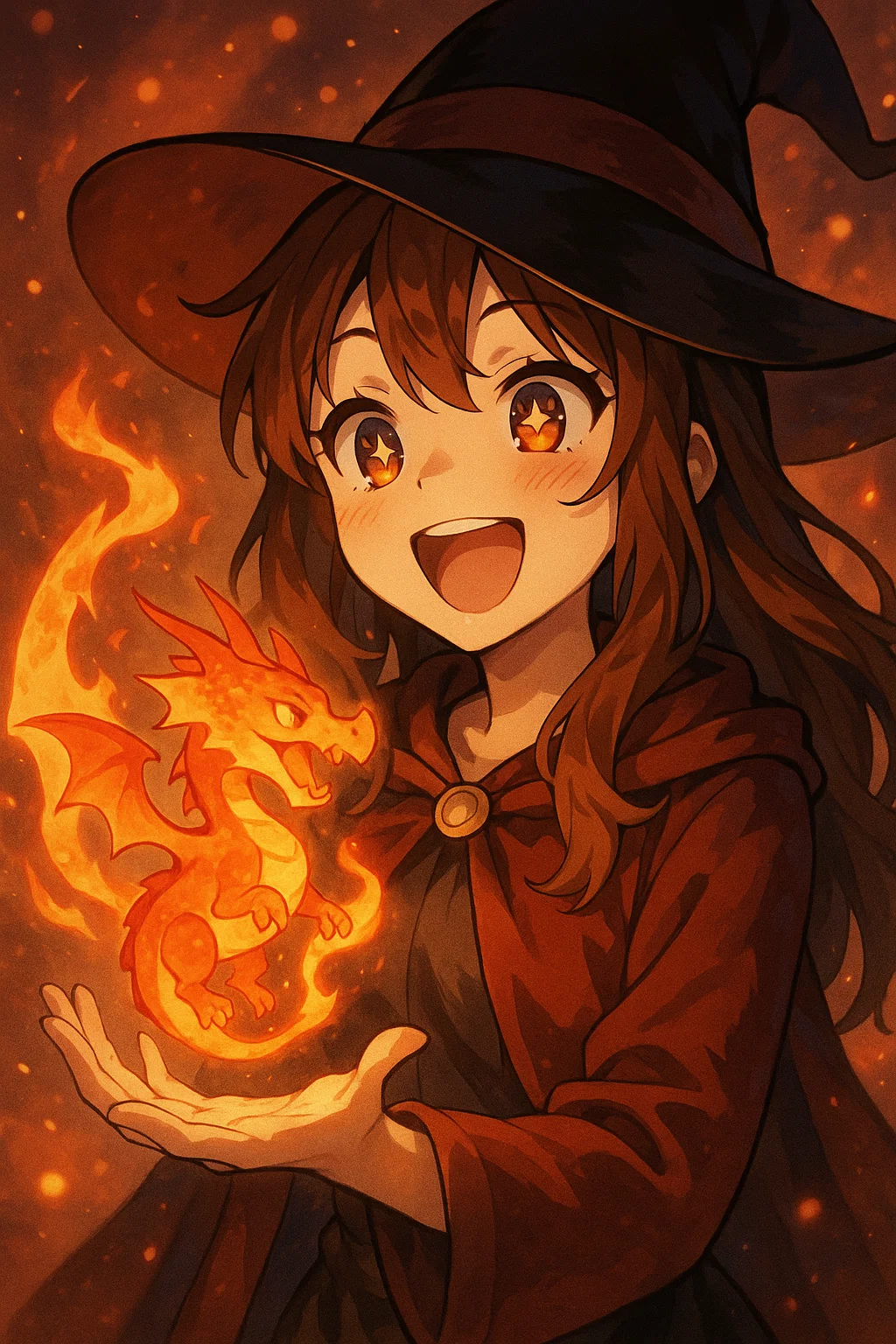
Role in the Manga
Lucia’s popularity has surged thanks to her complex character arc and stylish portrayal. Fans admire her skill, maturity, and mysterious charm. She frequently appears in fan art, cosplay, and merchandise related to Magic Artisan Dahlia Wilts No More.
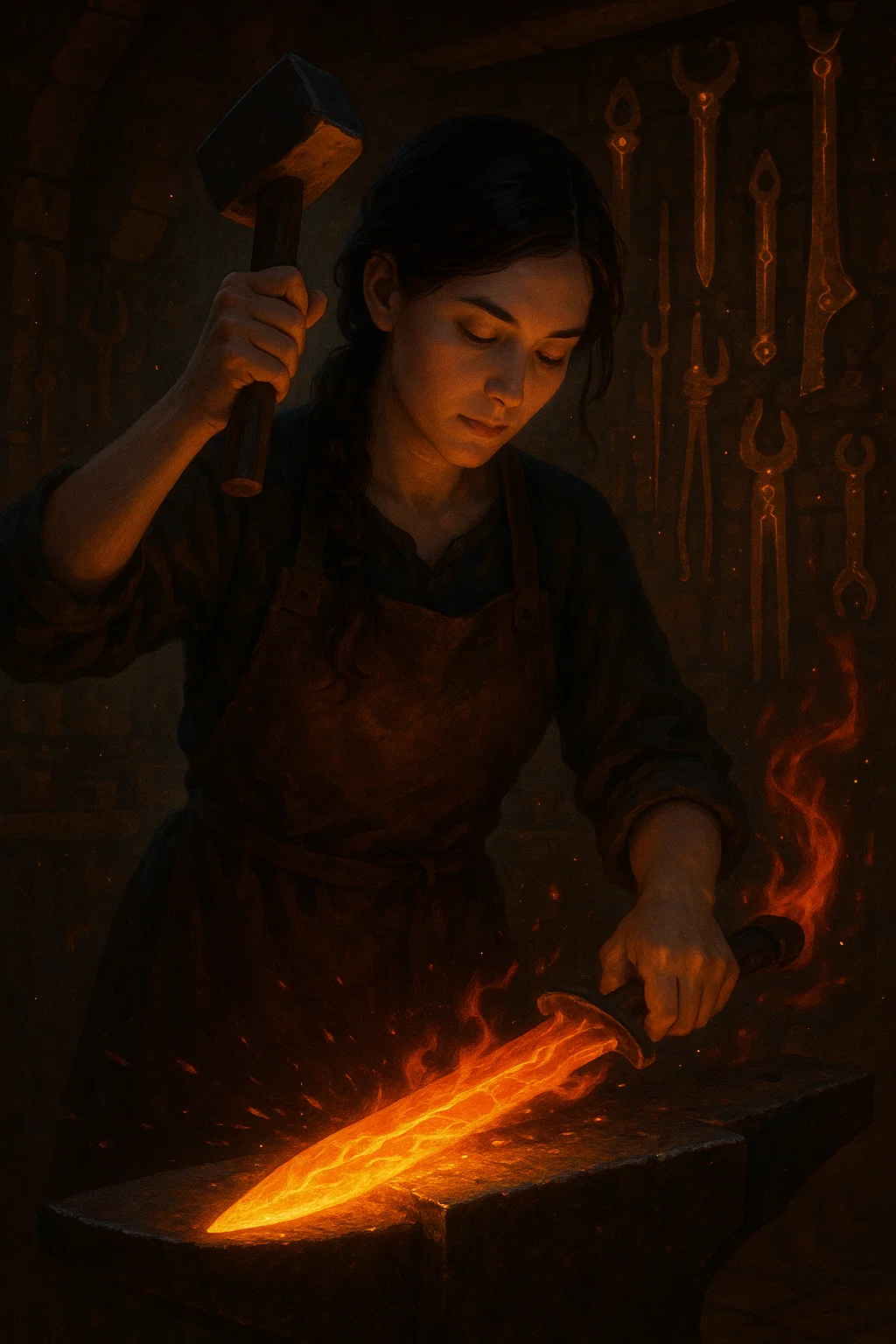
Final Thoughts
Lucia is more than just a side character in Magic Artisan Dahlia Wilts No More, she embodies the elegance, intellect, and artistry that define the manga’s magical world. Through her incredible abilities and layered personality, Lucia has carved her place as one of the most memorable magic artisans in manga.
Related Articles
-

Asari Daigo-Ao Ashi
Introduction
In Ao Ashi, a manga that blends emotional sports drama with realistic football tactics, Asari Daigo plays a crucial supporting role as a disciplined and intelligent defender. A member of the Tokyo City Esperion Youth Team, Asari’s contribution to the series may be subtle, but it’s foundational, his solid defensive work, leadership on the back line, and composed personality make him a stabilizing force on the team.

Who Is Asari Daigo?
Asari Daigo is a second-year player and one of the more experienced members of the Esperion Youth Team. Known for his reserved nature, sharp awareness, and quiet leadership, Asari operates primarily as a center-back, anchoring the defense with a strong sense of positioning and calm decision-making.

Powers and Abilities
Positional Awareness
Asari rarely needs to make flashy tackles because he’s already in the right place. His understanding of space and timing allows him to cut off attacks before they become dangerous.

Leadership and Tactical Discipline
He doesn’t shout orders, but his actions guide the back line. Asari internalizes Esperion’s defensive tactics and implements them with near-flawless execution.

Clean Tackling and Interceptions
Asari specializes in surgical tackles, he avoids unnecessary fouls and often wins possession through timing and anticipation rather than brute strength.

Composure Under Pressure
When facing aggressive opponents, Asari Daigo remains unshaken. This mental strength makes him a dependable figure, especially in tight games.

Impact on Manga Fans
Asari Daigo exemplifies the unsung hero on a football team—the disciplined center-back who rarely gets the spotlight but is vital to the team’s success. His intelligence, quiet authority, and defensive mastery offer a strong contrast to the more emotional and evolving younger players like Ashito.
In the fast-paced world of Ao Ashi, where tactics and mental growth are just as important as physical ability, Asari serves as a reminder that calm, focused play often wins the game.

Final Thoughts
Asari Daigo is not the loudest or most charismatic character in Ao Ashi, but he is among the most essential. As a center-back with sharp instincts, high football IQ, and quiet leadership, he holds the defensive line together and provides a model of consistency for younger players. Whether you’re a fan of technical football or character-driven sports narratives, Asari Daigo represents the values of discipline, reliability, and quiet strength in Ao Ashi.

Related Articles
-

Goku Black-Dragon Ball Super
Introduction
Goku Black, also known simply as Black, is one of the most menacing and impactful antagonists introduced in Dragon Ball Super. First appearing in the Future Trunks Saga, Goku Black is the alternate timeline version of Goku, but possessed by Zamasu, a Kai with a god complex and hatred toward mortals. With his twisted ideology and overwhelming power, Goku Black pushes Goku, Vegeta, and Future Trunks to their limits.

Who Is Goku Black?
Goku Black is not Goku himself but a version of Zamast, the Supreme Kai apprentice from Universe 10, who used the Super Dragon Balls to switch bodies with Goku. After making the switch, Zamasu killed the original Goku and took his body, combining Goku’s potential with his own godly mind. This fusion of divine hatred and Saiyan strength made Goku Black one of the deadliest threats in the multiverse.

Powers and Abilities
Super Saiyan Rosé
His signature transformation, Super Saiyan Rosé, is the divine equivalent of Super Saiyan Blue. This form grants him extreme speed, power, and a dark pink aura that reflects his divine malice.

Divine Ki and Regeneration
Thanks to Zamasu’s divine origin, Goku Black possesses godly ki, making it difficult for mortals to sense him. He also shows rapid regeneration, allowing him to recover from injuries quickly.

Energy Sword and Scythe
Goku Black creates a Ki sword from pure energy, capable of piercing powerful foes. Later, he upgrades this into a scythe, which rips open time-space rifts and summons shadow clones of himself.

Power Growth Through Battle
As a Saiyan in Goku’s body, Black gets stronger with each battle, especially when injured. His adaptive fighting style makes him increasingly dangerous the longer a fight lasts.

Impact on Manga Fans
Goku Black revitalized the Dragon Ball villain roster. After numerous physical brutes, his intellect, ideology, and cunning offered a fresh threat. He brought:
- Moral ambiguity
- Higher stakes with time travel
- A villain that is Goku but not Goku
His arc is often praised for its intensity, narrative depth, and fan-favorite moments, like Vegito Blue’s return, Trunks’ Spirit Sword, and Zeno’s timeline erasure.

Final Thoughts
Goku Black is more than just a dark version of Goku. He’s a complex villain who combines divine arrogance with Saiyan brutality. His rise, rampage, and ultimate defeat left a lasting mark on Dragon Ball Super.
Whether you admire his ideology or loathe his cruelty, Goku Black represents one of the most chilling and iconic adversaries in Dragon Ball history. With unforgettable battles, haunting speeches, and a warped sense of justice, Goku Black continues to captivate fans and shape the franchise’s future.

Related Articles
-

Denji-Chainsaw Man
Introduction
Denji is the central protagonist of the highly acclaimed manga Chainsaw Man by Tatsuki Fujimoto. Born into poverty and burdened with his deceased father’s debt, Denji’s life begins in desperation. His only companions are his pet devil, Pochita, and his dream of eating good food and living a normal life. However, everything changes when he fuses with Pochita and becomes the Chainsaw Man, a hybrid devil hunter with terrifying powers.
Denji is not your typical hero. He’s rough around the edges, often motivated by base desires like food, safety, and affection. Yet, it is this human vulnerability that makes his journey so emotionally gripping and relatable.

Zellrik’s Role in the Manga
In Chainsaw Man, Denji starts out as a Devil Hunter working for the yakuza, killing devils to slowly pay off his father’s debt. After being betrayed and killed, Denji makes a pact with Pochita, who sacrifices himself to give Denji a new life as a devil-human hybrid. This transformation is the origin of the Chainsaw Man, a powerful being feared by devils around the world.
Denji is soon recruited by Public Safety Devil Hunters, where he meets iconic characters like Makima, Aki Hayakawa, and Power. His role becomes crucial in the struggle against overwhelming devil threats, including the Gun Devil, the Control Devil, and various international assassins. Denji is both a weapon of mass destruction and a symbol of chaotic hope in a world collapsing into fear.

Powers and Abilities
Chainsaw Transformation
Denji can pull a cord on his chest, which activates his transformation into the Chainsaw Man. Chainsaws erupt from his head and arms, turning him into a violent, spinning, blood-soaked weapon capable of tearing through devils with brutal efficiency.

Regeneration via Blood
Denji has extraordinary regeneration, powered by consuming blood, devil or human. This makes him incredibly hard to kill, and he often uses this to fight recklessly, taking fatal damage only to bounce back mid-battle.

Hybrid Form Invulnerability
As a devil-human hybrid, Denji is immune to many traditional weaknesses, allowing him to survive decapitation, explosions, and impalement. His endurance often shocks both allies and enemies.

Chainsaw Devil Form
At full power, Denji becomes the Chainsaw Devil, a fearsome being capable of killing devils so thoroughly that they cease to exist completely, even in memory. This ability is considered one of the most terrifying in the entire Chainsaw Man universe.

Impact on Manga Fans
Denji has quickly become one of the most iconic protagonists in modern manga. His unconventional heroism, dark humor, and tragic complexity resonate with fans around the world. As Chainsaw Man continues into its second part, Denji’s struggle to balance normal life with his identity as Chainsaw Man continues to evolve in new and unpredictable ways.

Final Thoughts
Denji is the beating heart of Chainsaw Man, brutal, hilarious, tragic, and unforgettable. With his unmatched powers, raw emotions, and fight for purpose, Denji redefines what it means to be a hero in a world where nothing is pure, and survival is the only rule.

Related Articles
-

Most Iconic Manga Duos and Partnerships
Introduction
Dynamic partnerships are at the heart of many beloved manga series. Whether it’s best friends, rivals turned allies, or mentor-student relationships, these iconic manga duos drive narratives forward, deliver emotional punch, and leave a lasting impact on readers.

Naruto Uzumaki & Sasuke Uchiha – Naruto
A classic blend of rivalry and brotherhood, Naruto and Sasuke’s tumultuous relationship defines the emotional core of Naruto. Their opposing paths, deep bond, and eventual reconciliation make them one of the most iconic manga duos in shonen history.

Edward & Alphonse Elric – Fullmetal Alchemist
Bound by blood, sacrifice, and a tragic past, the Elric brothers are inseparable. Their journey to restore what they lost explores themes of family, guilt, and resilience, all while showcasing perfect synergy and loyalty, and even touching on the concept of alternate universes through the deeper mysteries of alchemy.

Gon Freecss & Killua Zoldyck – Hunter x Hunter
This duo combines pure-hearted determination with sharp wit and dark background. Gon and Killua’s evolving friendship, tested by danger and emotional growth, is a fan-favorite and a symbol of true companionship.

Luffy & Zoro – One Piece
Captain and first mate, Luffy and Zoro exemplify trust and mutual respect. Zoro’s unwavering loyalty and Luffy’s faith in his crew make this duo one of the strongest foundations in the One Piece universe.

Light Yagami & L – Death Note
More of a mental duel than a friendship, Light and L’s relationship is a brilliant game of cat and mouse. Their intellectual rivalry defines Death Note, making this pairing one of the most iconic psychological duos.

Goku & Vegeta – Dragon Ball Z
Starting as enemies, evolving into rivals, and eventually reluctant allies, Goku and Vegeta are the embodiment of growth through competition. Their clashing personalities and combined strength make them legendary.

Ashitaka & San – Princess Mononoke
Their bond represents mutual understanding between human and nature. Though not a typical shonen duo, Ashitaka and San’s dynamic carries deep emotional and symbolic weight.

Shinji Ikari & Kaworu Nagisa – Neon Genesis Evangelion
Their brief yet profound connection speaks volumes about love, loneliness, and acceptance. This emotional bond makes them one of the most talked-about duos in manga and anime history.

Levi Ackerman & Erwin Smith – Attack on Titan
Commanding respect and bound by shared ideals, this duo’s strategic brilliance and emotional depth highlight the tragedy and strength of human leadership in dark times.

Spike Spiegel & Jet Black – Cowboy Bebop
More than bounty-hunting partners, their relationship is built on mutual respect, history, and quiet understanding. They balance each other’s flaws with grounded camaraderie.

Final Thoughts
From heartwarming friendships to intense rivalries, these iconic manga duos remind us that no great story is told alone. Their bonds, tested by trials and time, form the emotional backbone of the series they belong to. If you’re looking for manga where partnerships shine, these are the duos to remember.
Related Articles
-

Top Manga with Nonlinear Storytelling
Introduction
Most manga follows a linear path, beginning, middle, and end. But some series take a more daring approach, bending time and jumping across moments to enhance emotion, mystery, or meaning. Nonlinear manga use creative storytelling to challenge readers, often making their narratives more impactful, layered, and re-readable.

Monster – Naoki Urasawa
Through shifting timelines, Monster builds a complex narrative around a surgeon’s quest to stop a serial killer he once saved. Flashbacks and parallel events create suspense and psychological depth.
Why It’s Nonlinear:
Jumps between different characters’ timelines to slowly unveil the truth.
20th Century Boys – Naoki Urasawa
20th Century Boys again showcases his mastery of nonlinear plots by weaving past and future events across decades. Childhood memories play a key role in uncovering present-day mysteries.
Why It’s Nonlinear:
Multiple timelines interweave to tell a generational saga.
The Promised Neverland – Kaiu Shirai & Posuka Demizu
The manga uses selective flashbacks and future reveals to heighten tension and reframe major twists. Strategic narrative shifts deepen emotional and plot complexity.
Why It’s Nonlinear:
Backstories and hidden motivations unfold gradually out of sequence.
Oyasumi Punpun (Goodnight Punpun) – Inio Asano
Punpun’s story skips years at a time, using fragmented memories and shifts in age to depict psychological evolution, trauma, and the blurred line between past and present.
Why It’s Nonlinear:
Emphasizes emotional transitions over chronological events.
Bokurano – Mohiro Kitoh
Told from multiple perspectives, the series jumps between each child’s story and fate, often using flashbacks and foreshadowing to build emotional tension.
Why It’s Nonlinear:
Character-centric flashbacks disrupt the main timeline for narrative impact.
Orange – Ichigo Takano
The story moves between present-day and letters from the future, creating a loop that influences characters’ decisions in the past to prevent future regret.
Why It’s Nonlinear:
A time-travel mechanism allows multiple timelines to interact emotionally.
Pluto – Naoki Urasawa & Osamu Tezuka
Flashbacks to war, past crimes, and lost memories are vital to unraveling a futuristic murder mystery. The narrative dances between past trauma and future consequences.
Why It’s Nonlinear:
Memory and identity are explored through fragmented storytelling.
Solanin – Inio Asano
While mostly linear, Solanin occasionally breaks chronology with dream sequences and flashbacks that provide emotional context and deepen character arcs.
Why It’s Nonlinear:
Uses subtle jumps in time to reinforce themes of nostalgia and loss.
Angel’s Egg
A symbolic and surreal work that resists a clear timeline, presenting sequences that seem more metaphysical than literal. Interpretations vary wildly.
Why It’s Nonlinear:
More visual and emotional than chronological—storytelling through mood.
Homunculus – Hideo Yamamoto
Blurring hallucination, memory, and reality, the narrative structure plays with perception and doesn’t always reveal what is real or what came first.
Why It’s Nonlinear:
Psychological fragmentation disrupts traditional time flow.
Final Thoughts
Nonlinear manga challenge the reader to think differently. Instead of spoon-feeding events, they weave complex patterns of memory, consequence, and time. For those who enjoy layered narratives and emotional depth, these manga prove that time doesn’t have to move in a straight line to tell a powerful story.
Related Articles