Author: Ashita Muzzi

  • Best Manga That Break the Fourth Wall

    Best Manga That Break the Fourth Wall

    Introduction

    Breaking the fourth wall is when characters become aware of the audience—or even of the fact that they’re in a story. In manga, this narrative trick is often used for comedy, satire, or deep introspection. Whether it’s a joke directed at the reader or a surreal moment where reality and fiction blur, fourth wall manga offer a fresh, meta experience unlike any other.

    Gintama – Hideaki Sorachi

    Famous for its self-awareness, Gintama constantly parodies other manga, anime, and real-world pop culture. Characters openly discuss deadlines, production issues, and even criticize the publisher.

    Why It Stands Out:
    Wildly meta and consistently hilarious; the king of fourth wall humor in manga.

    Bobobo-bo Bo-bobo – Yoshio Sawai

    This absurdist comedy manga is pure chaos. It frequently breaks the fourth wall with characters commenting on the art, story direction, and manga tropes in real time.

    Why It Stands Out:
    A nonstop meta-fest filled with randomness and satire.

    Kaguya-sama: Love Is War – Aka Akasaka

    The narrator frequently speaks to the audience, giving commentary, foreshadowing outcomes, and even joking about the characters’ choices.

    Why It Stands Out:
    Blends romantic tension with clever fourth wall narration and meta-jokes.

    Saiki Kusuo no Psi-nan (The Disastrous Life of Saiki K.) – Shuuichi Asou

    Saiki, a psychic high school student, often talks to the reader, complains about clichés, and even mocks the story’s direction.

    Why It Stands Out:
    Sharp, dry humor with frequent self-aware jabs at shonen tropes.

    Excel Saga – Rikdo Koshi

    A chaotic action-comedy manga that constantly plays with anime/manga clichés and talks directly to the audience. Even the author makes in-universe appearances.

    Why It Stands Out:
    A blend of slapstick and satirical meta-commentary.

    Hayate no Gotoku!– Kenjirou Hata

    The protagonist and narrator regularly address the audience. The story is packed with references, satire, and fourth wall break jokes about manga industry norms.

    Why It Stands Out:
    Tons of direct audience interaction and publishing gags.

    Watamote – Nico Tanigawa

    While not constantly breaking the fourth wall, Watamote occasionally features the main character’s inner monologues and meta-reactions that feel like she’s acknowledging the reader’s presence.

    Why It Stands Out:
    A mix of dark comedy and relatable self-awareness.

    Monthly Girls’ Nozaki-kun – Izumi Tsubaki

    The series parodies shoujo manga tropes through a self-aware lens. Characters frequently act as if they know they’re part of a manga and comment on story structure and clichés.

    Why It Stands Out:
    Smart, character-driven meta-humor and parody.

    Yotsuba&! – Kiyohiko Azuma

    While not an overt fourth wall breaker, the manga sometimes subtly bends reality through Yotsuba’s wild imagination and interactions that make the reader feel involved in her world.

    Why It Stands Out:
    Breaks the wall gently through immersive humor and childlike perspective.

    Medaka Box – Nisio Isin & Akira Akatsuki

    This shonen series evolves into a meta-commentary on manga storytelling, with characters openly discussing tropes, character roles, and narrative structures.

    Why It Stands Out:
    Sharp writing that deconstructs the manga medium while still delivering action.

    Final Thoughts

    These fourth wall manga prove that storytelling can go beyond traditional boundaries. Whether used for humor, satire, or narrative experimentation, breaking the fourth wall brings readers closer to the story, and sometimes flips it entirely on its head.

    Related Articles

  • Most Iconic Rivalries in Manga

    Most Iconic Rivalries in Manga

    Introduction

    Nothing drives a story forward quite like a powerful rivalry. The tension between two characters, whether fueled by hatred, admiration, or a shared dream—can elevate a manga to legendary status. These manga rivalries push heroes to their limits, challenge their values, and often lead to some of the most iconic moments in manga history.

    Naruto vs. Sasuke – Naruto

    Arguably the most famous rivalry in manga, Naruto and Sasuke’s bond is equal parts brotherhood and opposition. From childhood classmates to bitter enemies and finally friends, their evolving dynamic carries the emotional weight of the entire series.

    Why It’s Iconic:
    A rivalry built on pain, growth, and the pursuit of understanding.

    Goku vs. Vegeta – Dragon Ball Z

    From fierce enemies to reluctant allies, Goku and Vegeta’s rivalry is legendary. Their competitive spirit drives both to grow stronger, with Vegeta constantly chasing Goku’s seemingly limitless potential.

    Why It’s Iconic:
    The gold standard of power-scaling rivalries in shonen manga.

    Light Yagami vs. L – Death Note

    An intellectual duel between two of the smartest minds in manga, Light and L battle not with fists, but with deduction and strategy. Their cat-and-mouse game is suspenseful, cerebral, and unforgettable.

    Why It’s Iconic:
    A psychological battle of justice, ego, and identity.

    Ashitaka vs. Eboshi – Princess Mononoke

    Their rivalry isn’t about hatred—it’s about conflicting worldviews. Ashitaka represents harmony with nature, while Eboshi champions human progress. Their opposing ideals create a layered and philosophical conflict.

    Why It’s Iconic:
    A mature, ideological rivalry with no true villain.

    Yusuke vs. Hiei – Yu Yu Hakusho

    Though not traditional enemies, Yusuke and Hiei constantly push each other in strength and skill. Their rivalry is fueled by mutual respect and a deep desire to become the strongest.

    Why It’s Iconic:
    Action-packed, emotionally driven, and full of mutual growth.

    Eren Yeager vs. Reiner Braun – Attack on Titan

    What begins as a friendship turns into a tragic, ideologically complex rivalry. Eren and Reiner represent opposing sides of a brutal war—both victims of a world larger than themselves.

    Why It’s Iconic:
    Heavy with emotion, history, and moral ambiguity.

    Asta vs. Yuno – Black Clover

    These two orphans grew up together and share the same dream: to become the Wizard King. Their healthy competition is a central driver of the series and showcases how rivalry can also be a form of deep friendship.

    Why It’s Iconic:
    Wholesome, motivating, and loaded with epic moments.

    Gon vs. Killua – Hunter x Hunter

    Though they are best friends, Gon and Killua often challenge each other emotionally and ethically. Their contrasting personalities lead to subtle rivalries over ideals, strength, and self-worth.

    Why It’s Iconic:
    A layered friendship with moments of tension, growth, and heartbreak.

    Kaguya Shinomiya vs. Miyuki Shirogane – Kaguya-sama: Love Is War

    A romantic comedy twist on rivalry: two geniuses try to make the other confess love first. Their battle of wits turns courtship into a psychological war.

    Why It’s Iconic:
    Clever writing, endless humor, and a fresh spin on relationship dynamics.

    Char Aznable vs. Amuro Ray – Mobile Suit Gundam

    One of the oldest and most influential rivalries in manga and anime, Char and Amuro represent opposite ideologies, legacies, and personal traumas—all fought out in space.

    Why It’s Iconic:
    Historic, emotional, and politically charged.

    Final Thoughts

    Great manga rivalries do more than provide epic battles—they define characters, highlight philosophies, and raise emotional stakes. Whether it’s about justice, love, power, or redemption, these rivalries leave a lasting impact on readers and shape the legacy of manga storytelling.

    Related Articles

  • Best Manga with Political Intrigue and Power Struggles

    Best Manga with Political Intrigue and Power Struggles

    Introduction

    Politics in manga isn’t just about elections or laws, it’s about power. Who holds it, who wants it, and what people are willing to do to get it. Whether it’s a battle of ideologies, war-torn nations, or power-hungry leaders, political manga gives readers a gripping look into human ambition, manipulation, and societal change.

    Code Geass: Lelouch of the Rebellion

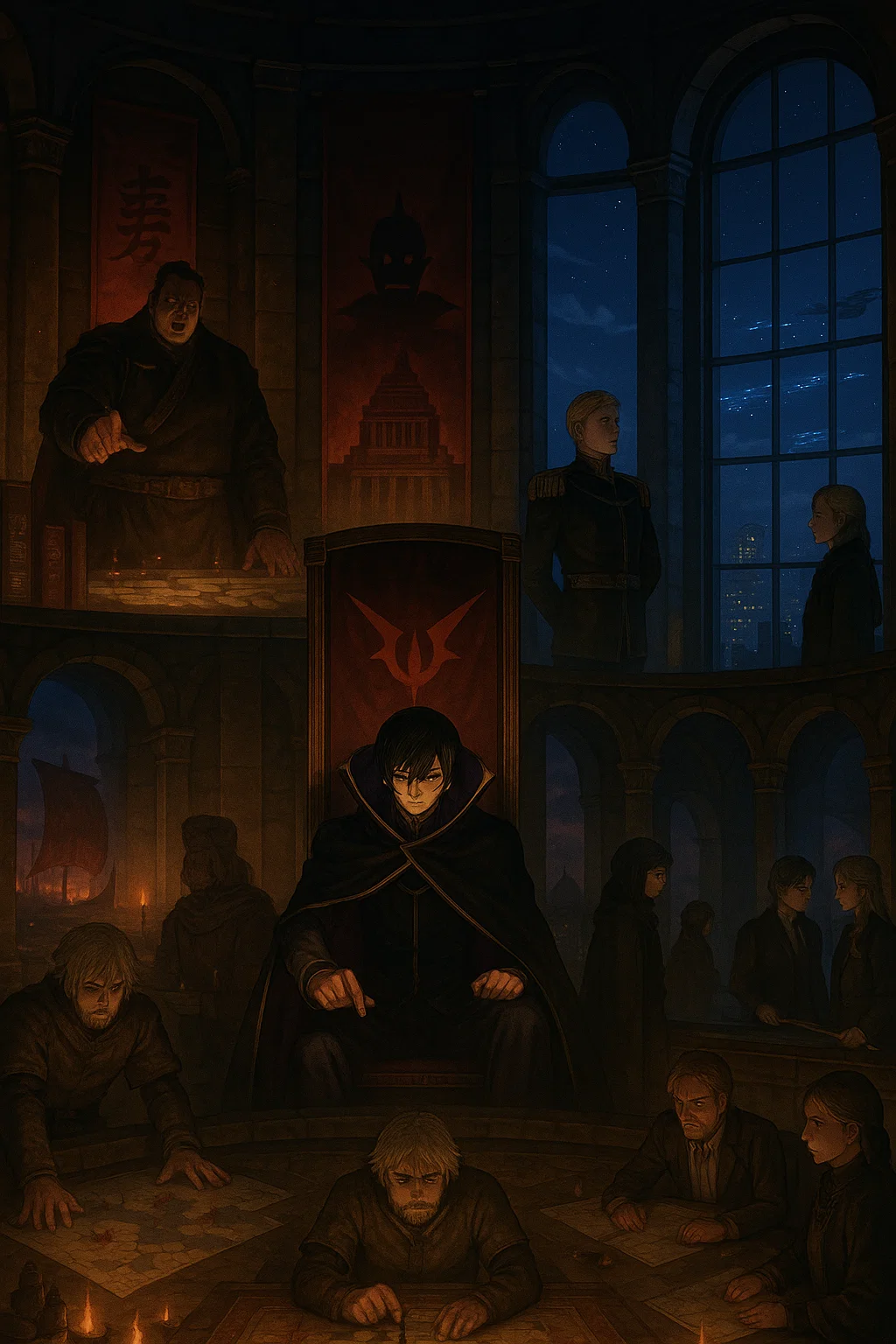
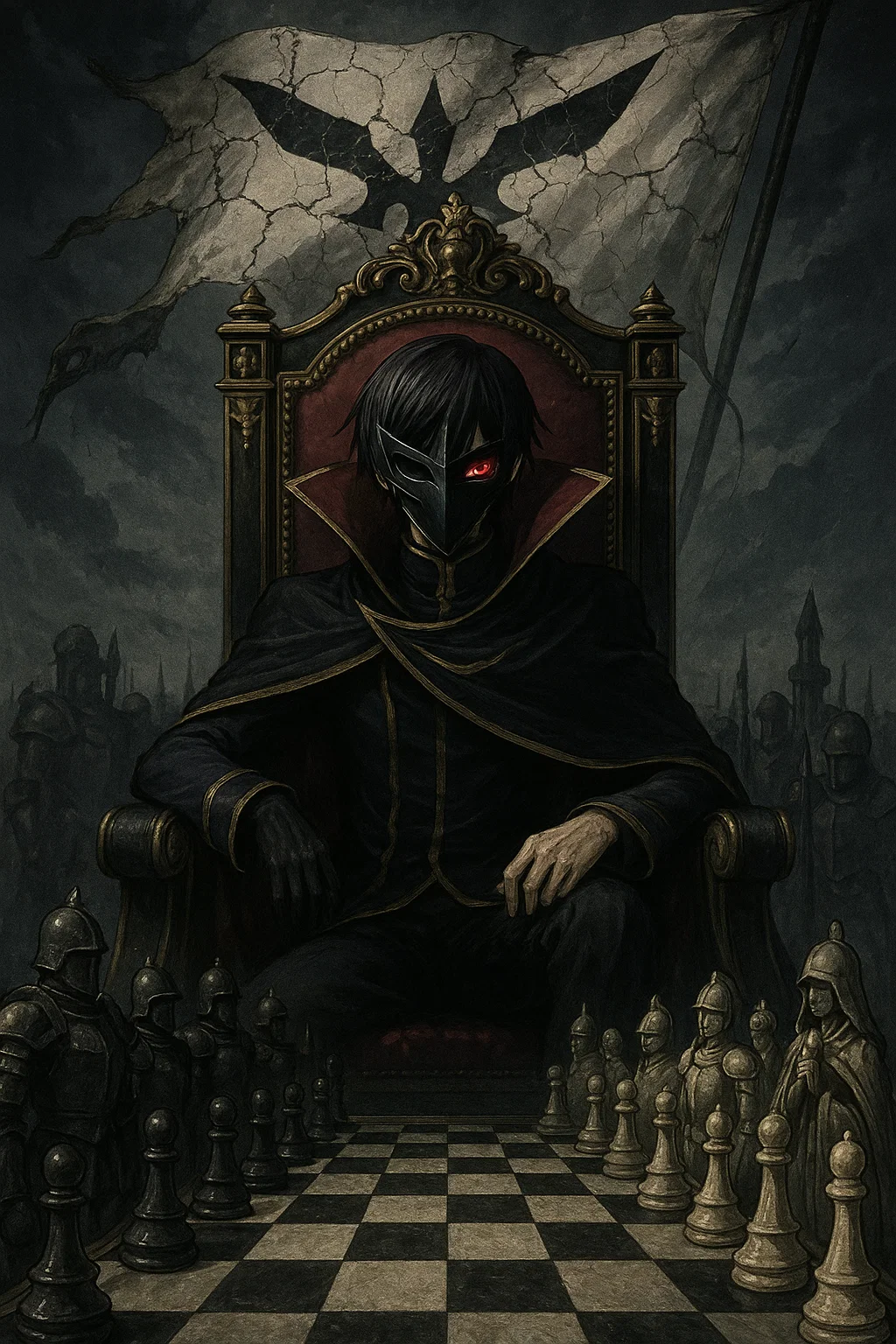
    Originally an anime, Code Geass also has manga adaptations that explore Lelouch’s revolution against the tyrannical Britannian Empire. It’s a battle of minds, ideologies, and political deception.

    Why It’s Political:
    Themes of rebellion, authoritarianism, and the cost of absolute power.

    Kingdom – Yasuhisa Hara

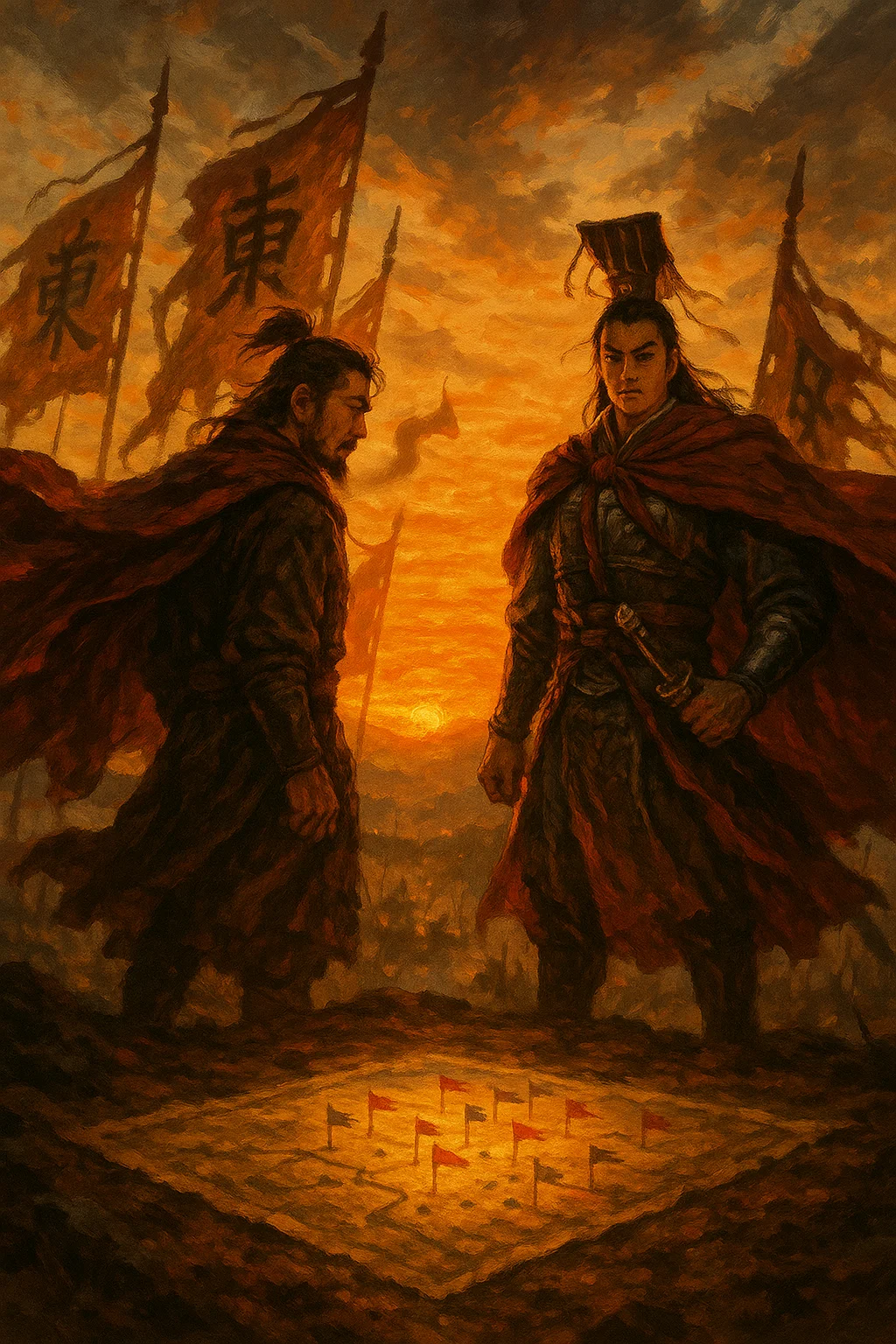
    Set during China’s Warring States period, Kingdom follows a young soldier’s rise alongside political leaders, generals, and monarchs shaping history through brutal war and sharp diplomacy.

    Why It’s Political:
    War tactics, court intrigue, shifting alliances, and ruthless rulers.

    Legend of the Galactic Heroes – Yoshiki Tanaka & various artists

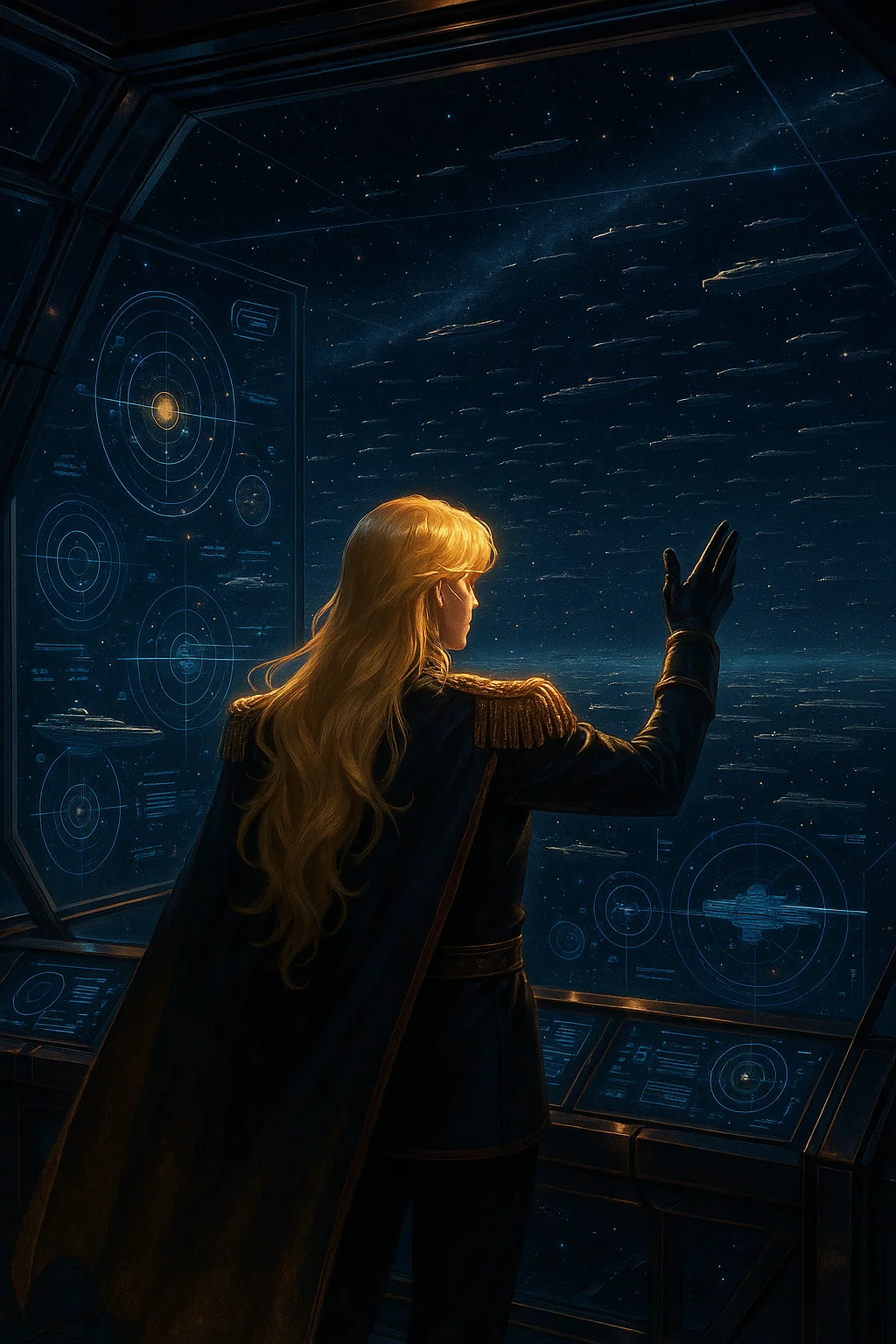
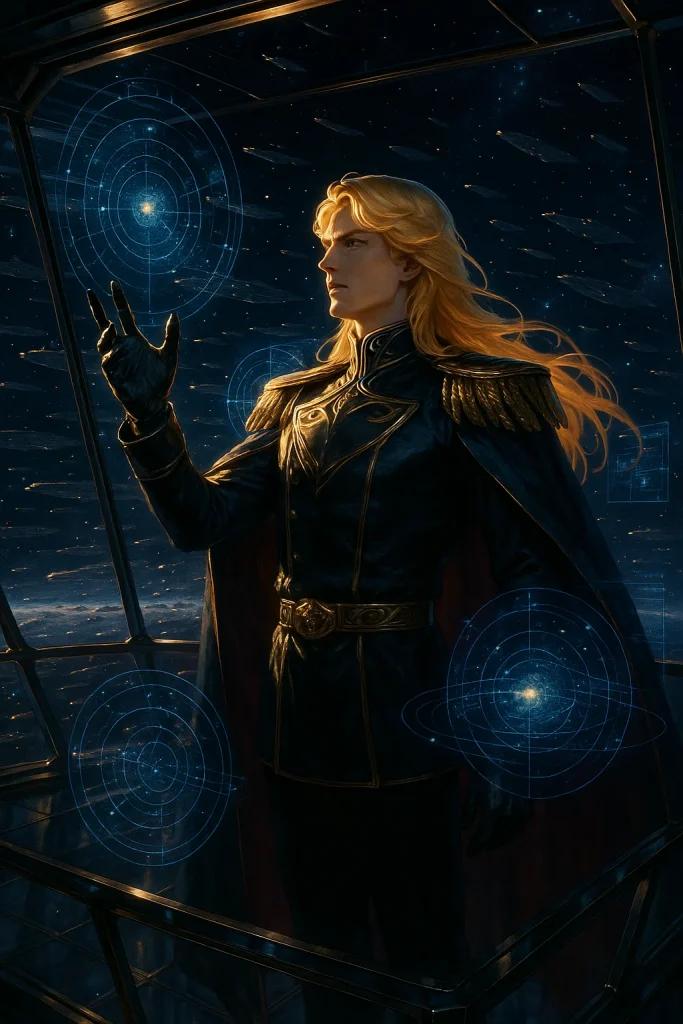
    An epic space opera featuring a deep philosophical and political conflict between monarchy and democracy. Two brilliant tacticians battle across the stars with political ideology at the heart of it all.

    Why It’s Political:
    Explores governance systems, propaganda, and historical cycles of power.

    Akumetsu – Yoshiaki Tabata & Yuki Yogo

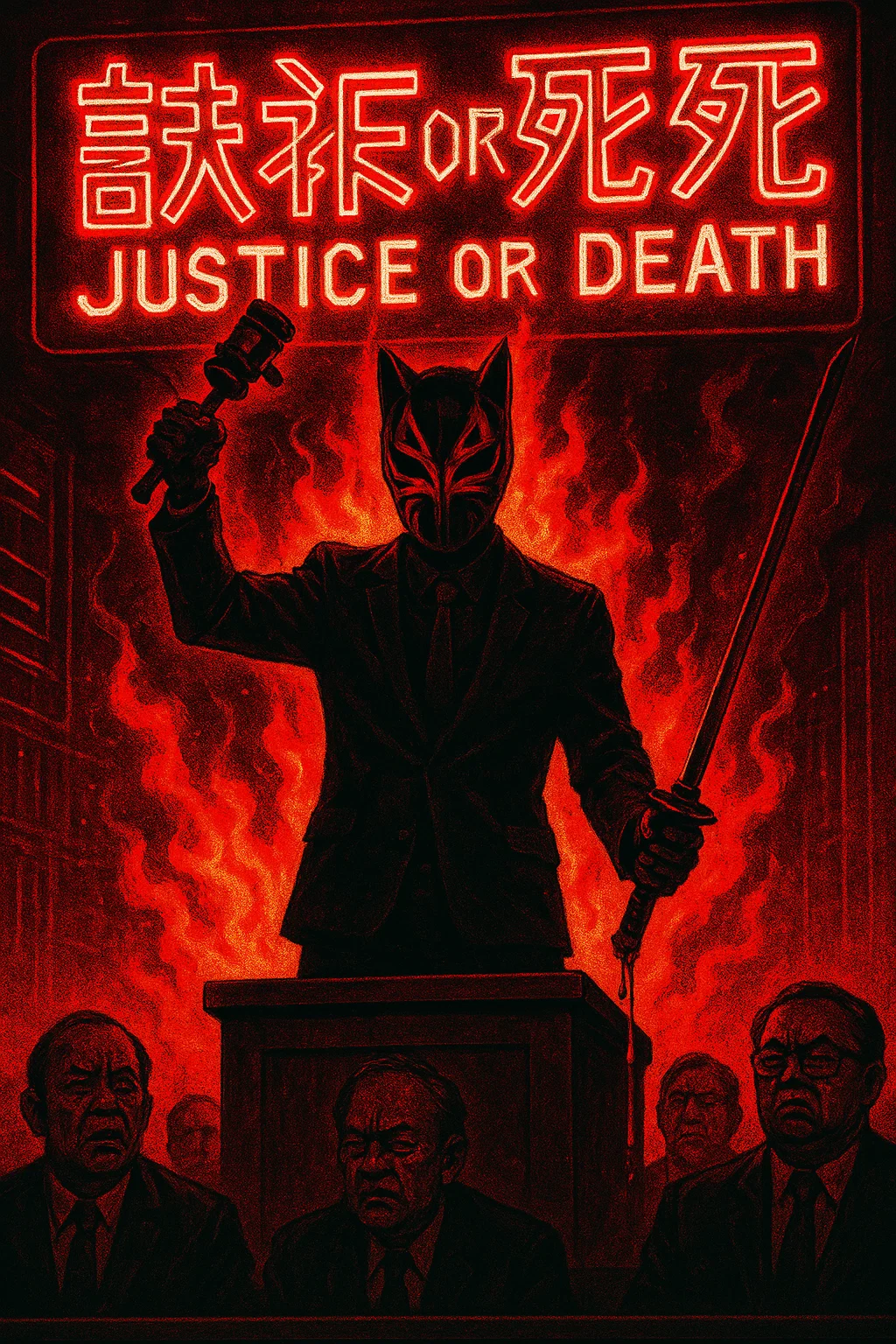
    In a dystopian Japan riddled with corruption, a masked vigilante named Akumetsu wages a violent war on political elites. Brutal, bold, and thought-provoking.

    Why It’s Political:
    Tackles corruption, justice, and revolution in a decaying political system.

    Vinland Saga – Makoto Yukimura

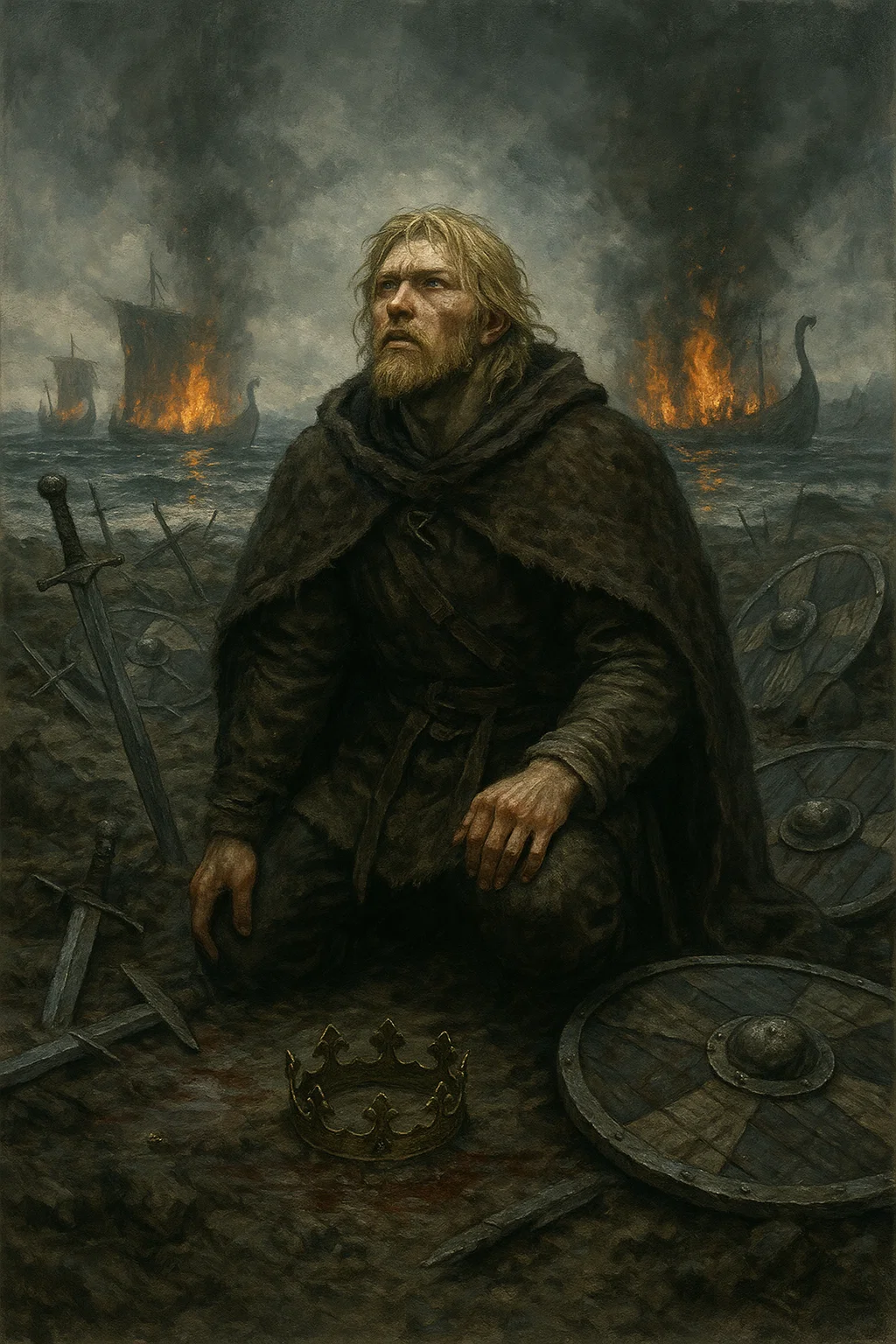
    While a historical Viking epic on the surface, Vinland Saga dives deep into war, leadership, and the rise and fall of empires. It’s not just about battles—it’s about legacy, rule, and reform.

    Why It’s Political:
    Explores conquest, diplomacy, and the ethics of leadership.

    Otoyomegatari (A Bride’s Story) – Kaoru Mori

    Set in 19th-century Central Asia, Otoyomegatari richly detailed manga explores not only marriage customs but also political tensions across cultures and borders under imperial expansion.

    Why It’s Political:
    Insightful depiction of gender roles, empire, and cultural diplomacy.

    Attack on Titan – Hajime Isayama

    What begins as a survival story evolves into a layered critique of nationalism, historical revisionism, and ideological warfare. Behind the Titans lies a world of manipulation and military power games.

    Why It’s Political:
    Themes of propaganda, genocide, power shifts, and war crimes.

    Ad Astra: Scipio to Hannibal – Mihachi Kagano

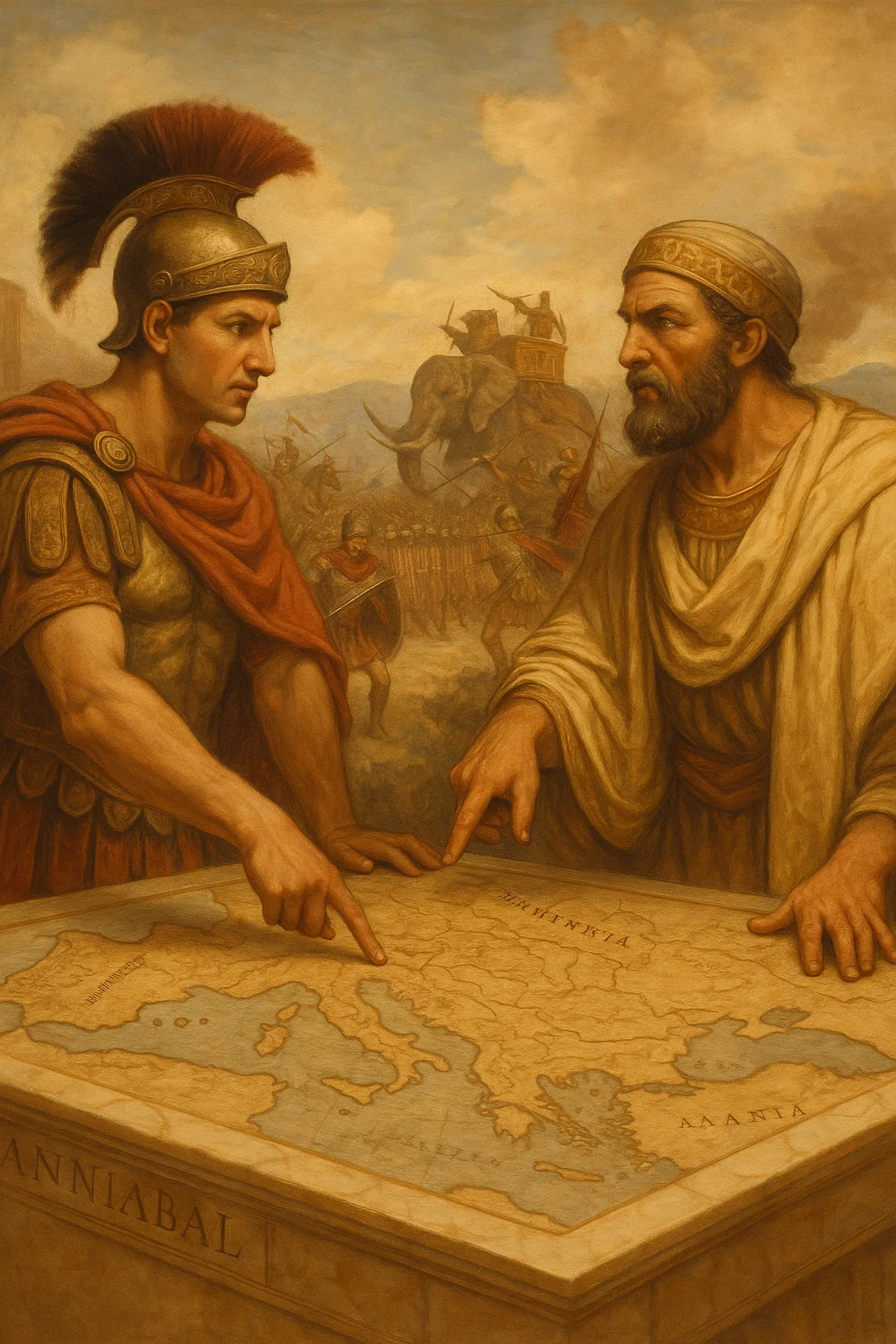
    A manga based on the historical rivalry between two legendary military strategists—Scipio of Rome and Hannibal of Carthage. The focus is on tactics, diplomacy, and empire-building.

    Why It’s Political:
    True-to-history military and political maneuvering at its finest.

    Historie – Hitoshi Iwaaki

    A historical and political manga about Eumenes, a strategist and secretary to Alexander the Great. This series explores how intellect and ambition play into political movements.

    Why It’s Political:
    Depicts the formation of empire and the intellect behind major historical power shifts.

    Sanctuary – Sho Fumimura & Ryoichi Ikegami

    Two friends rise through the criminal underworld and political system simultaneously—one aiming to reform the yakuza, the other the government. A gripping tale of ambition, violence, and manipulation.

    Why It’s Political:
    Direct interplay between crime syndicates and national politics.

    Final Thoughts

    These political manga offer more than thrilling plots, they reflect real-world questions about power, justice, control, and leadership. Whether set in historical empires, dystopian futures, or fantasy worlds, they challenge readers to think critically about the systems that shape our lives.

    Related Articles

  • Top Manga with Realistic Relationships

    Top Manga with Realistic Relationships

    Introduction

    Not all manga is about magic powers or fantasy worlds. Sometimes, the most powerful stories come from grounded, everyday experiences. Realistic manga explores raw, heartfelt relationships that reflect the complexities of human nature. From imperfect romances to bittersweet friendships, these manga show how love and life unfold beyond clichés and stereotypes.

    Solanin – Inio Asano

    This slice-of-life drama follows a young couple navigating post-college life, career uncertainty, and emotional disconnection. It’s a poignant story about growing up and learning to let go.

    Why It’s Realistic:
    Captures the fears and frustrations of adulthood with emotional honesty.

    Oyasumi Punpun (Goodnight Punpun) – Inio Asano

    A surreal and heartbreaking coming-of-age story, Punpun delves into themes of depression, dysfunctional families, and unrequited love with brutal realism.

    Why It’s Realistic:
    Explores mental health, trauma, and flawed relationships without sugarcoating.

    My Girl – Mizu Sahara

    After the sudden death of his ex-girlfriend, a young man learns he’s the father of her child. This manga explores his journey into unexpected fatherhood and the slow healing of emotional wounds.

    Why It’s Realistic:
    Tackles grief, responsibility, and personal growth in a grounded and gentle way.

    Nana – Ai Yazawa

    Two women named Nana with very different lives end up living together. Their friendship, romances, and personal ambitions are portrayed with incredible emotional depth and complexity.

    Why It’s Realistic:
    Raw depictions of love, loss, codependency, and ambition in a messy adult world.

    Orange – Ichigo Takano

    This time-travel romance has a supernatural twist, but at its core, it’s about friendship, regret, and emotional support. It deals with suicide and the importance of small actions in changing someone’s life.

    Why It’s Realistic:
    A moving portrayal of mental health, empathy, and emotional responsibility.

    March Comes in Like a Lion – Chica Umino

    A young professional shogi player struggles with loneliness, depression, and personal trauma while forming meaningful bonds with those around him.

    Why It’s Realistic:
    Portrays inner battles and emotional healing through slow, authentic connections.

    Honey and Clover – Chica Umino

    This manga follows a group of college students experiencing unrequited love, career pressure, and identity confusion. It’s bittersweet, humorous, and deeply human.

    Why It’s Realistic:
    A nuanced portrayal of young adulthood, heartbreak, and friendship.

    Boys on the Run – Kengo Hanazawa

    A dark and comedic tale about a down-on-his-luck salesman who struggles with romance, masculinity, and his place in society. Not for the faint-hearted, but very human.

    Why It’s Realistic:
    Explores insecurity, failure, and toxic relationships in a brutally honest way.

    Kimi wa Pet (Tramps Like Us) – Yayoi Ogawa

    A successful woman hides her emotional vulnerability behind a polished career, only to find comfort in an unconventional live-in relationship with a younger man.

    Why It’s Realistic:
    Challenges traditional gender roles and explores emotional dependence in a mature tone.

    A Silent Voice (Koe no Katachi) – Yoshitoki Oima

    This story of a former bully seeking redemption through a friendship with his deaf classmate is one of the most heartfelt and redemptive realistic manga you can read.

    Why It’s Realistic:
    Addresses bullying, forgiveness, and social anxiety with sensitivity and truth.

    Final Thoughts

    These realistic manga prove that true emotional depth comes from honest storytelling. They dive into real-life issues, love, regret, trauma, personal growth, and show us that vulnerability is what makes us human. If you’re looking for manga that resonates with your own life experiences, these titles will hit home.

    Related Articles

  • Manga That Explore Deep Philosophical Themes

    Manga That Explore Deep Philosophical Themes

    Introduction

    Manga isn’t just about action, romance, or comedy—it can also be a powerful medium for exploring life’s biggest questions. From existential dread to moral dilemmas, philosophical manga tackle complex themes with depth and nuance, often leaving readers questioning their own beliefs.

    Monster – Naoki Urasawa

    Monster questions the value of human life, the meaning of justice, and the darkness within people. When Dr. Tenma saves a boy who becomes a serial killer, his moral compass is put to the ultimate test.

    Philosophical Focus:
    Free will, moral responsibility, the nature of evil.

    Pluto – Naoki Urasawa & Osamu Tezuka

    A reimagining of Tezuka’s Astro Boy, Pluto explores what it means to be human in a world of artificial intelligence. Robots with human emotions and ethical dilemmas drive this masterful sci-fi narrative.

    Philosophical Focus:
    Consciousness, identity, AI ethics, and empathy.

    Oyasumi Punpun (Goodnight Punpun) – Inio Asano

    This surreal coming-of-age manga dives deep into depression, existentialism, and emotional trauma. The symbolic storytelling and haunting art style make it a standout philosophical manga.

    Philosophical Focus:
    Existential angst, isolation, the search for meaning.

    20th Century Boys – Naoki Urasawa

    This multi-layered narrative examines society’s blind obedience to charismatic leaders and questions collective memory, responsibility, and the impact of childhood ideals.

    Philosophical Focus:
    Groupthink, nostalgia, and the consequences of ideology.

    Death Note – Tsugumi Ohba & Takeshi Obata

    What would you do with the power to decide who lives or dies? Death Note confronts readers with moral ambiguity and the dangers of unchecked justice.

    Philosophical Focus:
    Utilitarianism vs. absolutism, justice, and the corrupting nature of power.

    Solanin – Inio Asano

    A deeply personal slice-of-life story about young adults struggling with purpose, careers, and relationships in a modern world that feels indifferent.

    Philosophical Focus:
    Purpose, disillusionment, and the meaning of adulthood.

    The Book of Human Insects – Osamu Tezuka

    A noir-style psychological thriller about a woman who mimics and steals the lives of others. This manga critiques society’s obsession with success and explores the dark side of ambition.

    Philosophical Focus:
    Identity, self-worth, and social masks.

    Blame! – Tsutomu Nihei

    This dystopian cyberpunk epic features minimal dialogue and vast, bleak settings. It raises questions about human existence, technological evolution, and isolation.

    Philosophical Focus:
    Post-humanism, survival, and the meaning of consciousness.

    A Girl on the Shore – Inio Asano

    A raw, unfiltered look at teenage intimacy, emotional detachment, and the search for identity in a world without guidance.

    Philosophical Focus:
    Sexuality, emotional numbness, and modern alienation.

    Akira – Katsuhiro Otomo

    A sci-fi classic that dives into the dangers of absolute power, post-war trauma, and political instability in a dystopian Tokyo.

    Philosophical Focus:
    Authority, rebellion, destruction, and rebirth.

    Final Thoughts

    These philosophical manga don’t just tell stories, they provoke thought. They challenge the reader to reflect on morality, identity, power, and the human condition. Whether set in futuristic worlds or grounded in everyday life, these manga demonstrate how the medium can explore profound truths with creativity and emotion.

    Related Articles

  • Most Shocking Betrayals in Manga History

    Most Shocking Betrayals in Manga History

    Introduction

    Betrayal in manga hits differently. When a beloved character switches sides or a trusted ally reveals a hidden agenda, it creates a ripple effect that changes the entire story. These manga betrayals aren’t just plot twists, they’re emotional gut punches that leave readers speechless.

    Griffith – Berserk

    Perhaps the most infamous betrayal in manga history, Griffith sacrifices his entire Band of the Hawk to become a godlike demon. His betrayal of Guts and Casca during the Eclipse is as brutal as it is unforgettable.

    Why It’s Shocking:
    From admired leader to unforgivable traitor in a single night of horror.

    Sōsuke Aizen – Bleach

    Aizen’s calm, intellectual persona hides a terrifying level of power and manipulation. His reveal as the true villain after faking his death is one of the biggest twists in Bleach.

    Why It’s Shocking:
    He deceives the entire Soul Society while orchestrating events behind the scenes.

    Sasuke Uchiha – Naruto

    Though hinted at from early on, Sasuke’s departure from Konoha to seek power from Orochimaru stung deeply. His betrayal of friends and ideals added a layer of emotional complexity to the series.

    Why It’s Shocking:
    A beloved rival turning against everything he once protected.

    Reiner Braun and Bertholdt – Attack on Titan

    Reiner and Bertholdt’s reveal as the Armored and Colossal Titans was a game-changing moment. After fighting beside Eren and the others, their sudden confession hit like a bomb.

    Why It’s Shocking:
    Their dual lives and emotional conflict made the betrayal personal and tragic.

    Rachel – Tower of God

    In one of the most unexpected manga betrayals, Rachel pushes Bam to his death after pretending to care for him. Her selfish motives contrast sharply with her innocent appearance.

    Why It’s Shocking:
    The betrayal felt personal—and broke readers’ hearts.

    Annie Leonhart – Attack on Titan

    Annie, revealed as the Female Titan, had been hiding in plain sight among the Scouts. Her betrayal leads to one of the most intense and emotional arcs in the series.

    Why It’s Shocking:
    Her calm demeanor masked an unshakable loyalty to a hidden cause.

    Kyuubey – Puella Magi Madoka Magica: The Different Story

    While not evil by nature, Kyuubey’s manipulation of magical girls to serve its own agenda is one of the more cold-blooded betrayals. It plays with the trust and naivety of young girls.

    Why It’s Shocking:
    The betrayal is intellectual, emotionless, and devastating in scope.

    Makoto Itou – School Days

    Makoto’s betrayal isn’t grand in scale, but it’s emotionally explosive. His unfaithfulness and careless behavior spiral into a shocking conclusion.

    Why It’s Shocking:
    A personal betrayal that escalates into an unforgettable tragedy.

    Char Aznable – Mobile Suit Gundam: The Origin

    Char’s betrayal of the Zabi family—and his manipulation of others throughout the series—shows a cold and calculated pursuit of revenge.

    Why It’s Shocking:
    Char’s betrayal isn’t impulsive; it’s years in the making.

    Yuno Gasai – Future Diary (Mirai Nikki)

    While Yuno’s love for Yukiteru seems genuine, she hides deadly secrets. Her betrayal isn’t just physical—it’s psychological, as she manipulates Yukiteru’s emotions.

    Why It’s Shocking:
    A twisted love becomes a trap, leaving readers constantly on edge.

    Final Thoughts

    Great manga betrayals leave a permanent mark—not only on the characters but on the readers. They fuel story momentum, deepen emotional investment, and often define a series’ legacy. Whether they come from friends, lovers, or leaders, these betrayals remind us that trust is both powerful and fragile.

    Related Articles

  • Best Manga with School Settings

    Best Manga with School Settings

    Introduction

    From first crushes and fierce rivalries to supernatural twists and slice-of-life nostalgia, school manga has something for everyone. These stories are often set in high schools or middle schools and revolve around themes like friendship, personal growth, young love, and self-discovery. Whether you enjoy romance, comedy, or action, school manga provides the perfect backdrop for dynamic storytelling.

    My Hero Academia (Boku no Hero Academia)

    Set in a superhero high school, this school manga takes the classic coming-of-age format and blends it with action-packed training arcs and superhuman battles. U.A. High School is where future heroes are made.

    Why Read It:
    Great mix of action, character growth, and school dynamics in a unique setting.

    Horimiya

    A refreshing romance between a popular girl and a quiet boy with a secret side. Horimiya stands out for its realistic portrayal of teen relationships and the quiet beauty of everyday school life.

    Why Read It:
    Wholesome romance, relatable characters, and lots of heartwarming moments.

    Assassination Classroom

    Imagine your teacher is an alien threatening to destroy Earth, and your class is tasked with killing him before graduation. Assassination Classroom is as wild as it is moving, with surprisingly deep messages about education and potential.

    Why Read It:
    Original premise, hilarious moments, and strong emotional payoffs.

    Komi Can’t Communicate

    This school manga follows Komi, a girl with extreme social anxiety, and her mission to make 100 friends. It’s a sweet, funny, and sometimes poignant look at the challenges of communication in high school.

    Why Read It:
    Adorable characters, quirky humor, and genuine emotional moments.

    Blue Period

    A smart student discovers a love for art and decides to pursue it against all odds. Blue Period blends school life with personal discovery and the pressures of academic performance.

    Why Read It:
    Thought-provoking, inspiring, and perfect for readers chasing creative dreams.

    Toradora

    A classic school manga romance between two high schoolers with misunderstood personalities. It’s packed with emotional tension, humor, and heartfelt growth.

    Why Read It:
    Excellent character development and a perfect blend of comedy and drama.

    Great Teacher Onizuka (GTO)

    This legendary series follows Eikichi Onizuka, an ex-gang member turned high school teacher, who uses unconventional methods to reach his troubled students. GTO is both outrageous and deeply meaningful.

    Why Read It:
    Funny, rebellious, and filled with important life lessons..

    ReLIFE

    A 27-year-old man gets a second chance at high school through a scientific experiment. ReLIFE explores regrets, second chances, and the complexities of teenage life from an adult perspective.

    Why Read It:
    Unique concept and heartfelt exploration of life’s do-overs.

    Yamada-kun and the Seven Witches

    Supernatural elements mix with high school drama as Yamada discovers he can switch bodies with others via a kiss. With a bit of mystery and a lot of charm, this school manga keeps readers hooked.

    Why Read It:
    Engaging plot twists and fun supernatural school vibes.

    Azumanga Daioh

    A slice-of-life comedy centered around a group of high school girls and their eccentric teachers. Azumanga Daioh is lighthearted, random, and full of laughs.

    Why Read It:
    Feel-good comedy that captures the charm of everyday school life.

    Final Thoughts

    From magical classrooms to realistic teen dilemmas, school manga brings readers into relatable and exciting worlds. These stories aren’t just about textbooks, they’re about growing up, forming bonds, and discovering who you are. Whether you’re nostalgic for your own school days or just love character-driven stories, these series are perfect additions to your reading list.

    Related Articles

  • Most Inspiring Manga Quotes of All Time

    Most Inspiring Manga Quotes of All Time

    Introduction

    Manga has a unique ability to combine action, emotion, and philosophy—all in just a few pages. But what really lingers in the hearts of readers are the unforgettable lines spoken by beloved characters. These manga quotes don’t just drive the story forward—they capture powerful truths about life, growth, and the human spirit.

    “Hard work is worthless for those that don’t believe in themselves.” – Naruto Uzumaki (Naruto)

    Naruto’s journey from outcast to hero is legendary. This quote reminds us that belief in oneself is the first step toward success.

    Lesson:
    Self-confidence is the foundation of progress.

    “Power comes in response to a need, not a desire.” – Goku (Dragon Ball Z)

    In the heat of battle, Goku’s words reflect how true strength emerges when it matters most—not out of want, but out of necessity.

    Lesson:
    Real power arises from purpose.

    “A lesson without pain is meaningless.” – Edward Elric (Fullmetal Alchemist)

    This quote reflects the cost of growth and the reality that wisdom often comes from hardship.

    Lesson:
    Pain shapes us—and it’s often our best teacher.

    “Forgetting is like a wound. The wound may heal, but it has already left a scar.” – Monkey D. Luffy (One Piece)

    Luffy’s heartfelt words speak to the emotional truths we carry, even after we’ve moved on.

    Lesson:
    Our past stays with us—it’s part of who we are.

    “Fear is not evil. It tells you what your weakness is.” – Gildarts Clive (Fairy Tail)

    Rather than denying fear, this quote encourages readers to understand and learn from it.

    Lesson:
    Fear reveals growth opportunities.

    “A person grows up when he’s able to overcome hardships. Protection is important, but there are some things a person must learn on his own.” – Jiraiya (Naruto)

    As a mentor, Jiraiya imparts this wisdom to encourage independence and resilience.

    Lesson:
    Personal growth comes from facing struggles, not avoiding them.

    “A lesson you learned from pain is not easily forgotten.” – Hachiman Hikigaya (My Teen Romantic Comedy SNAFU)

    This quote speaks to the enduring impact of painful experiences and the clarity they often bring.

    Lesson:
    Pain can create lasting understanding.

    “You should enjoy the little detours. Because that’s where you’ll find the things more important than what you want.” – Ging Freecss (Hunter x Hunter)

    Ging’s perspective reminds us that life’s greatest lessons come from unexpected paths.

    Lesson:
    Don’t rush the journey—treasure every moment.

    . “I want to be a hero who saves people with a smile.” – Izuku Midoriya (My Hero Academia)

    Midoriya’s dream highlights the power of kindness and positivity in changing the world.

    Lesson:
    Being a hero starts with compassion.

    “The world isn’t perfect. But it’s there for us, doing the best it can… that’s what makes it so damn beautiful.” – Roy Mustang (Fullmetal Alchemist)

    This poetic quote offers hope in imperfection, celebrating resilience and beauty in the real world.

    Lesson:
    Hope lies in embracing life as it is.

    Final Thoughts

    The best manga quotes aren’t just dialogue, they’re reflections of real-life emotions, struggles, and dreams. Whether you’re chasing a goal, facing a fear, or simply needing motivation, these words offer comfort, strength, and wisdom. Manga doesn’t just entertain, it inspires.

    Related Articles

  • Best Manga Series That Are Better Than Their Anime

    Best Manga Series That Are Better Than Their Anime

    Introduction

    Anime adaptations often bring manga to life with motion, music, and voice acting. However, not all adaptations live up to the original material. In some cases, the manga version delivers a more complete, emotionally resonant, or better-paced experience than the anime. Whether due to rushed endings, filler arcs, or censored content, many fans agree: some stories are simply better than anime manga.

    Tokyo Ghoul

    The Tokyo Ghoul anime cut or rearranged many key scenes, especially in its sequel (Tokyo Ghoul √A), leaving fans confused. The manga, however, offers a deeper psychological dive into Kaneki’s transformation and internal struggles.

    Why It’s Better:
    More coherent plot, richer character development, and unfiltered emotional intensity.

    The Promised Neverland

    Season 1 of the anime was well-received, but Season 2 drastically skipped over entire arcs and changed the story’s conclusion. The manga presents a much more detailed and impactful journey.

    Why It’s Better:
    Complex world-building, character growth, and a satisfying, well-paced ending.

    Berserk

    Kentaro Miura’s masterpiece suffers from multiple anime adaptations, none of which fully capture the manga’s detailed artwork or emotional weight. The manga remains the definitive version.

    Why It’s Better:
    Stunning art, mature themes, and an unmatched dark fantasy atmosphere.

    Akame ga Kill!

    The anime diverges from the manga midway through and wraps up with an entirely different ending. The manga provides more nuance and better pacing, making character arcs more meaningful.

    Why It’s Better:
    A more emotionally grounded story with character fates that make more sense.

    Claymore

    While the anime captures the beginning well, it diverges toward the end with an anime-original conclusion. The manga continues past the anime and provides a much more fleshed-out story.

    Why It’s Better:
    Complete narrative, stronger world-building, and deeper lore.

    Soul Eater

    Soul Eater started strong as an anime but eventually veered off into a rushed, anime-original ending. The manga follows a different, more satisfying storyline with better character development.

    Why It’s Better:
    Proper closure, extended world-building, and better pacing.

    Fruits Basket (original 2001 version)

    Before the excellent 2019 remake, the 2001 anime of Fruits Basket failed to adapt the entire story. The manga offers a full, emotionally powerful journey through every character’s growth.

    Why It’s Better:
    Deeper character arcs and a more complete, heartfelt story.

    Deadman Wonderland

    This dark sci-fi series was cut short in its anime adaptation, leaving out important plot details and the true ending. The manga explores character motivations and world mechanics in greater depth.

    Why It’s Better:
    More complete story and better understanding of the characters’ trauma.

    Elfen Lied

    While the anime became a cult classic for its brutality and tragedy, it ends prematurely. The manga goes beyond the anime and develops its themes and characters more thoroughly.

    Why It’s Better:
    Expanded story and deeper emotional exploration.

    Rosario + Vampire

    The anime version of this supernatural rom-com leaned heavily into fan service and comedy, skipping much of the manga’s plot. The manga offers a more balanced mix of action, romance, and meaningful character arcs.

    Why It’s Better:
    More substance, stronger storytelling, and better character progression.

    Final Thoughts

    While anime adaptations bring color and sound to manga, some stories are best experienced in their original form. These better than anime manga titles prove that the source material often holds the deepest emotional impact and narrative richness. If you’re looking for the best version of a story, these manga should be at the top of your list.

    Related Articles

  • Manga Inspired by Japanese Folklore

    Manga Inspired by Japanese Folklore

    Introduction

    Japanese folklore is filled with mysterious creatures, ancient spirits, and timeless tales passed down through generations. Many manga creators have drawn from these rich traditions to craft stories that blend the supernatural with the human experience. These folklore manga series offer more than just entertainment—they offer a cultural journey through Japan’s mythical past.

    Natsume’s Book of Friends (Natsume Yūjin-chō)

    A heartwarming and bittersweet tale, this folklore manga follows Takashi Natsume, a boy who can see spirits. He inherits a book of yokai contracts from his grandmother and sets out to return their names, freeing them from servitude.

    Why It Stands Out:
    Gentle storytelling and emotional depth with a heavy focus on traditional yokai lore.

    Mushishi

    A beautifully atmospheric series following Ginko, a “Mushi Master” who studies ethereal creatures called Mushi that exist between life and death. Each chapter is a standalone tale rooted in nature, folklore, and quiet human drama.

    Why It Stands Out:
    Philosophical, poetic, and deeply connected to spiritual elements of Japanese folklore.

    GeGeGe no Kitaro

    One of the most iconic folklore manga series, this long-running classic introduces readers to a wide range of yokai. Kitaro, a yokai boy, helps protect humans from evil spirits and creatures.

    Why It Stands Out:
    A cornerstone of Japanese pop culture that brought traditional yokai into the modern age.

    Inuyasha

    Created by Rumiko Takahashi, Inuyasha blends historical settings with folklore creatures. The story follows Kagome, a modern girl transported to feudal Japan, where she meets the half-demon Inuyasha and encounters demons, spirits, and sacred artifacts.

    Why It Stands Out:
    Epic romance, adventure, and deep roots in Japanese myth and Shinto belief.

    The Morose Mononokean

    A high schooler finds himself cursed by a yokai and gets involved with an exorcist who guides spirits to the afterlife. This series mixes comedy, emotion, and spirit world bureaucracy with a traditional folklore twist.

    Why It Stands Out:
    Modern setting with a fun and respectful approach to yokai exorcism.

    Nura: Rise of the Yokai Clan

    Rikuo Nura is part human, part yokai—and heir to a powerful demon clan. He struggles with his identity while being pulled into battles among supernatural beings from Japanese folklore.

    Why It Stands Out:
    Action-packed, with strong roots in mythological creatures and clan politics.

    Ao no Exorcist (Blue Exorcist)

    Though it leans toward fantasy, Blue Exorcist draws heavily from Japanese religious and mythical concepts, including exorcism rituals, demonology, and Shinto-style spiritual battles.

    Why It Stands Out:
    Stylized battles grounded in spiritual folklore with a modern twist.

    Hell’s Paradise (Jigokuraku)

    Set during Japan’s Edo period, this dark manga combines ninja action with hellish folklore. The characters battle mythological monsters on a mysterious island inspired by Buddhist and Shinto visions of paradise and damnation.

    Why It Stands Out:
    Grim yet poetic reinterpretation of spiritual legends and traditional aesthetics.

    Noragami

    Yato, a minor god without a shrine, helps humans deal with their problems and fights off corrupted spirits. The manga includes concepts of kami, phantoms, and the world of the dead—all deeply embedded in Japanese folklore.

    Why It Stands Out:
    Smart balance of humor, action, and Shinto mythology.

    Kamichu

    This charming slice-of-life manga follows a middle school girl who suddenly becomes a Shinto goddess. She learns to navigate her new divine duties while staying grounded in everyday life.

    Why It Stands Out:
    Whimsical and culturally rich, highlighting Shinto beliefs in a cozy narrative.

    Final Thoughts

    From sacred kami to mischievous yokai, folklore manga gives readers a fascinating gateway into Japan’s spiritual traditions and storytelling heritage. These series not only entertain but also educate, blending myth with modern storytelling in unforgettable ways. Whether you’re drawn to ghostly tales or divine adventures, there’s a folklore manga waiting to enchant you.

    Related Articles