Author: Ashita Muzzi

  • Real-Life Lessons Learned from Manga

    Real-Life Lessons Learned from Manga

    Introduction

    Manga isn’t just about fantastical worlds, epic battles, or high school drama—it’s a reflection of human emotion, morality, and the struggles we all face. Beneath the action and comedy lie profound insights that stay with readers long after the final page. Whether it’s a shonen hero fighting for justice or a slice-of-life character learning empathy, many unforgettable life lessons from manga can shape our real-world outlook.

    Never Give Up – From Naruto

    Naruto Uzumaki’s journey from a lonely outcast to the Hokage of his village teaches readers the value of perseverance. Despite countless failures, mockery, and setbacks, he never gives up on his goals or the people he cares about.

    Lesson:
    Persistence can turn weaknesses into strengths over time.

    Question Authority and Think for Yourself – From Attack on Titan

    Attack on Titan teaches readers to challenge blind obedience. Eren and his friends learn that history can be distorted, and those in power don’t always act in everyone’s best interest.

    Lesson:
    Always think critically and stand up for what you believe in—even if it means going against the system.

    Your Choices Define You – From Death Note

    Light Yagami’s descent into darkness shows how absolute power can corrupt. Death Note explores moral ambiguity and how choices, not talents, shape who we become.

    Lesson:
    Power must be handled responsibly. Morality matters more than intelligence.

    Teamwork Is Stronger Than Individual Strength – From One Piece

    Luffy may be strong, but he can’t accomplish anything without his crew. One Piece shows that true strength lies in trust, loyalty, and supporting each other’s dreams.

    Lesson:
    Success is a shared journey. Surround yourself with people who lift you up.

    Face Your Trauma to Grow – From Tokyo Ghoul

    Kaneki’s transformation is not just physical but deeply emotional. Tokyo Ghoul explores pain, identity, and learning to accept all parts of yourself—even the darkest ones.

    Lesson:
    Embracing your scars is the first step toward healing and self-acceptance.

    Kindness Is a Strength – From My Hero Academia

    Izuku Midoriya isn’t the strongest or flashiest, but his compassion and willingness to help others set him apart. Kindness, even in battle, has the power to change hearts.

    Lesson:
    Being good to others isn’t a weakness—it’s the foundation of true heroism.

    Live Without Regret – From Orange

    In Orange, the characters receive letters from their future selves warning them about missed opportunities and emotional pain. It’s a story about making the most of the present.

    Lesson:
    Don’t wait to say what matters. Act today so you don’t regret tomorrow.

    Hard Work Beats Talent – From Haikyuu!!

    Hinata may lack height and natural ability, but his dedication and relentless effort make him a formidable volleyball player. Haikyuu!! proves effort can outshine talent.

    Lesson:
    You don’t need to be gifted—hard work, passion, and grit make all the difference.

    Embrace Change – From March Comes in Like a Lion

    This slice-of-life manga shows protagonist Rei learning to cope with grief, depression, and relationships. His slow, quiet transformation is deeply relatable.

    Lesson:
    Healing and growth take time, and it’s okay to change gradually.

    Everyone Has Their Own Battles – From Your Lie in April

    On the surface, Your Lie in April is a story about music, but it also touches on invisible struggles, mental health, and the masks people wear to hide their pain.

    Lesson:
    Treat others with empathy—you never know what they’re going through.

    Final Thoughts

    The best life lessons from manga remind us that even in fantastical worlds, human experiences remain universal. These stories show how perseverance, kindness, empathy, and courage are qualities worth nurturing in our own lives. So next time you pick up a manga, look beyond the panels—there might be a lesson that changes your perspective forever.

    Related Articles

  • Most Addictive Manga Series to Binge

    Most Addictive Manga Series to Binge

    Introduction

    When you pick up a truly binge-worthy manga, time disappears. Suddenly it’s 3 a.m., and you’ve burned through volumes without realizing it. The best addictive manga series combine intense plotlines, unforgettable characters, and cliffhangers that demand just one more chapter.

    Attack on Titan (Shingeki no Kyojin)

    A post-apocalyptic world, giant man-eating titans, and secrets that unravel with every volume—Attack on Titan is the definition of binge-worthy. With each arc, the stakes grow, and the plot gets more intense and shocking.

    Why It’s Addictive:
    Mind-blowing plot twists and deep world-building.

    Death Note

    When a high school genius discovers a notebook that kills anyone whose name is written in it, a game of cat-and-mouse begins. Death Note is a psychological thriller that keeps readers on edge with every strategic move.

    Why It’s Addictive:
    Brilliant mind games and fast-paced suspense.

    Tokyo Revengers

    A delinquent romance with a time-travel twist, Tokyo Revengers features gang wars, deep bonds, and emotional stakes. The constant jumps between past and present make it impossible to put down.

    Why It’s Addictive:
    Time loops, betrayals, and emotional rollercoasters.

    Chainsaw Man

    This dark action manga follows Denji, a devil hunter who merges with his chainsaw devil pet and becomes something entirely new. It’s gory, weird, funny, and absolutely unpredictable.

    Why It’s Addictive:
    Wild plot, dark humor, and shocking twists.

    One Piece

    With over 1,000 chapters and counting, One Piece might seem daunting, but once you start, you won’t stop. The world is vast, the characters are beloved, and the journey is deeply rewarding.

    Why It’s Addictive:
    Endless adventure, emotional arcs, and lovable characters.

    Jujutsu Kaisen

    A modern supernatural action series with slick artwork and an ever-escalating conflict. From cursed spirits to sorcerers, this manga pulls you into its dark, dynamic world quickly.

    Why It’s Addictive:
    Stylish battles, tight pacing, and mysterious lore.

    Monster

    Naoki Urasawa’s masterpiece Monster is a slow-burn thriller about a doctor chasing the psychopath he once saved. Every chapter builds tension and deepens the mystery.

    Why It’s Addictive:
    Psychological depth and masterful suspense.

    My Hero Academia

    A superhero society, diverse cast of students, and epic training arcs make this a fan-favorite. The story’s progression and character growth will keep you clicking “next chapter.”

    Why It’s Addictive:
    Relatable characters and non-stop action.

    The Promised Neverland

    At first, it seems like a cozy orphanage story, but then everything flips. The tension, escape plans, and twists make this manga one you’ll binge in a weekend.

    Why It’s Addictive:
    Survival thriller meets high-stakes mind games.

    Goodnight Punpun

    Unlike typical binge material, this coming-of-age story is a heavy, emotional experience. But once you start reading Punpun’s spiral into adulthood, you’ll be emotionally hooked until the very end.

    Why It’s Addictive:
    Deep psychological themes and heartbreaking realism.

    Final Thoughts

    If you’re hunting for a series you can read for hours without losing interest, these binge-worthy manga titles are guaranteed to pull you in. From dark thrillers to emotional sagas and high-octane action, these stories prove why manga remains one of the most engaging storytelling mediums out there.

    Related Articles

  • Manga Tropes That Need to Go Away

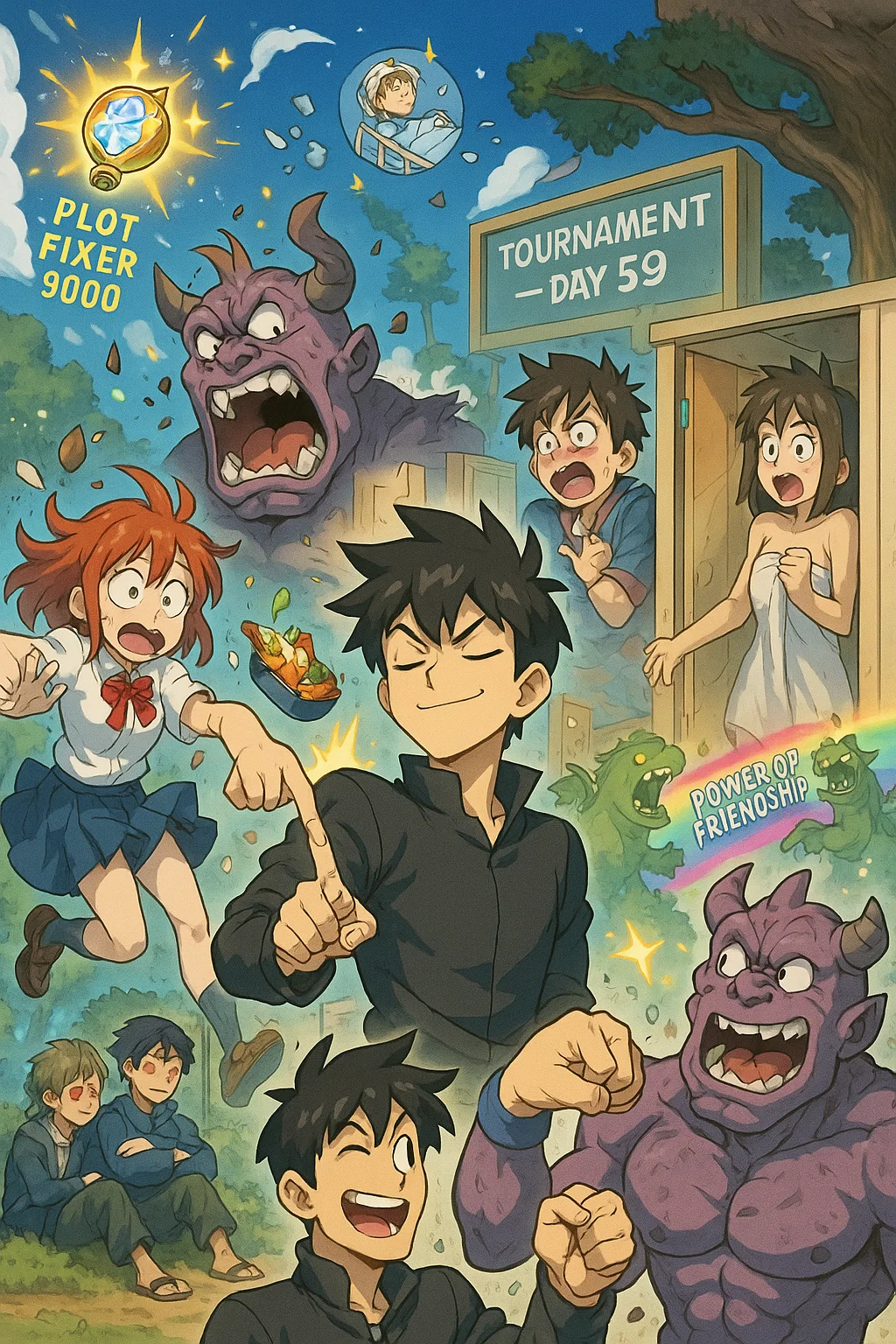
    Manga Tropes That Need to Go Away

    Introduction

    Manga as a medium offers incredible storytelling diversity—from mind-bending time travel to heartfelt romance. However, there are certain manga tropes that keep popping up across genres, making some series feel repetitive or outdated. While some tropes can be fun or nostalgic, others have outlived their charm and hold back creativity.

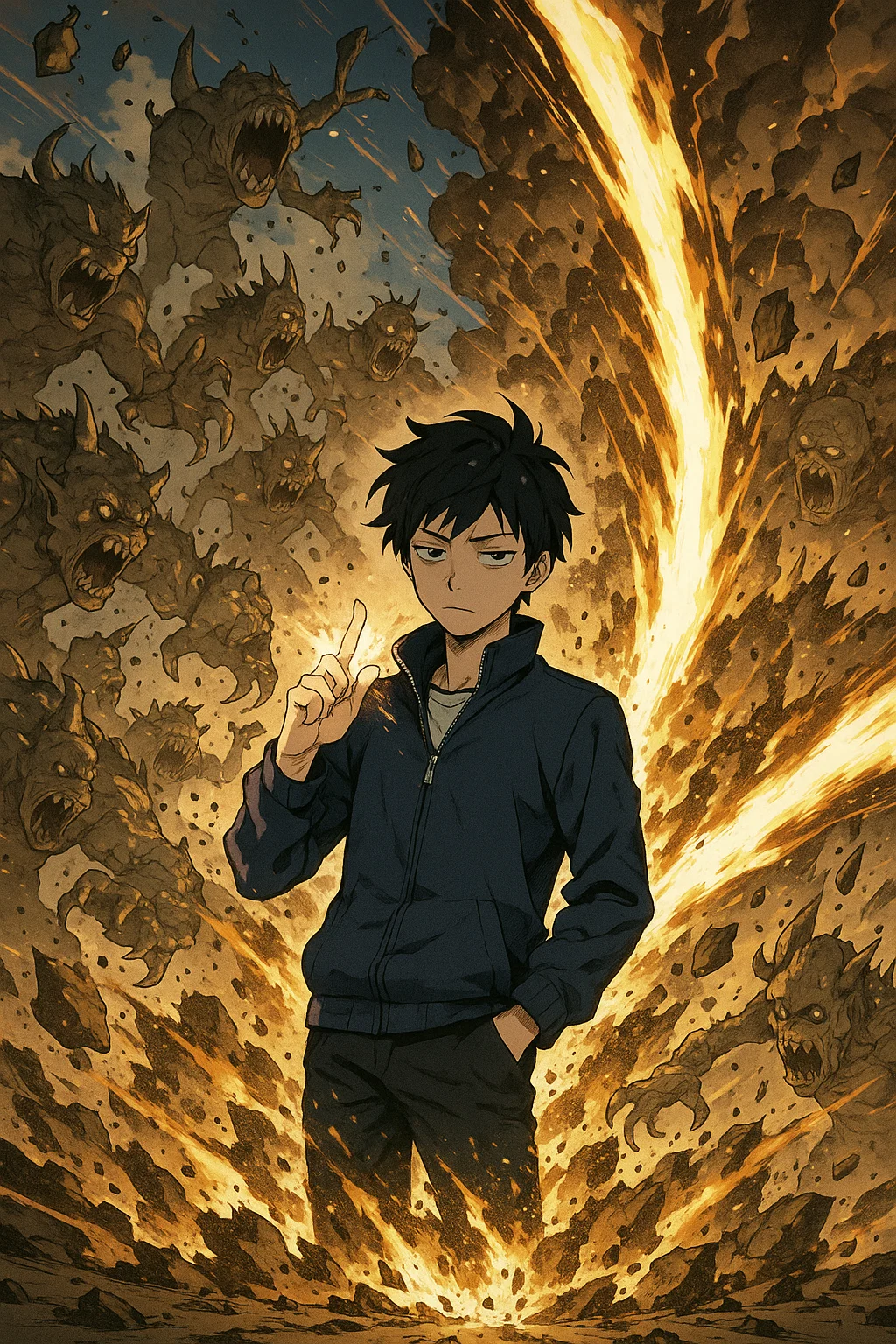
    Overpowered Main Characters (OP MCs)

    From shonen to isekai, the trope of the ultra-powerful protagonist who defeats enemies with little effort has become stale. While wish fulfillment is part of manga’s charm, it often kills tension and character growth when there’s no real challenge.

    Why It Needs to Go:
    Reduces storytelling stakes and makes side characters irrelevant.

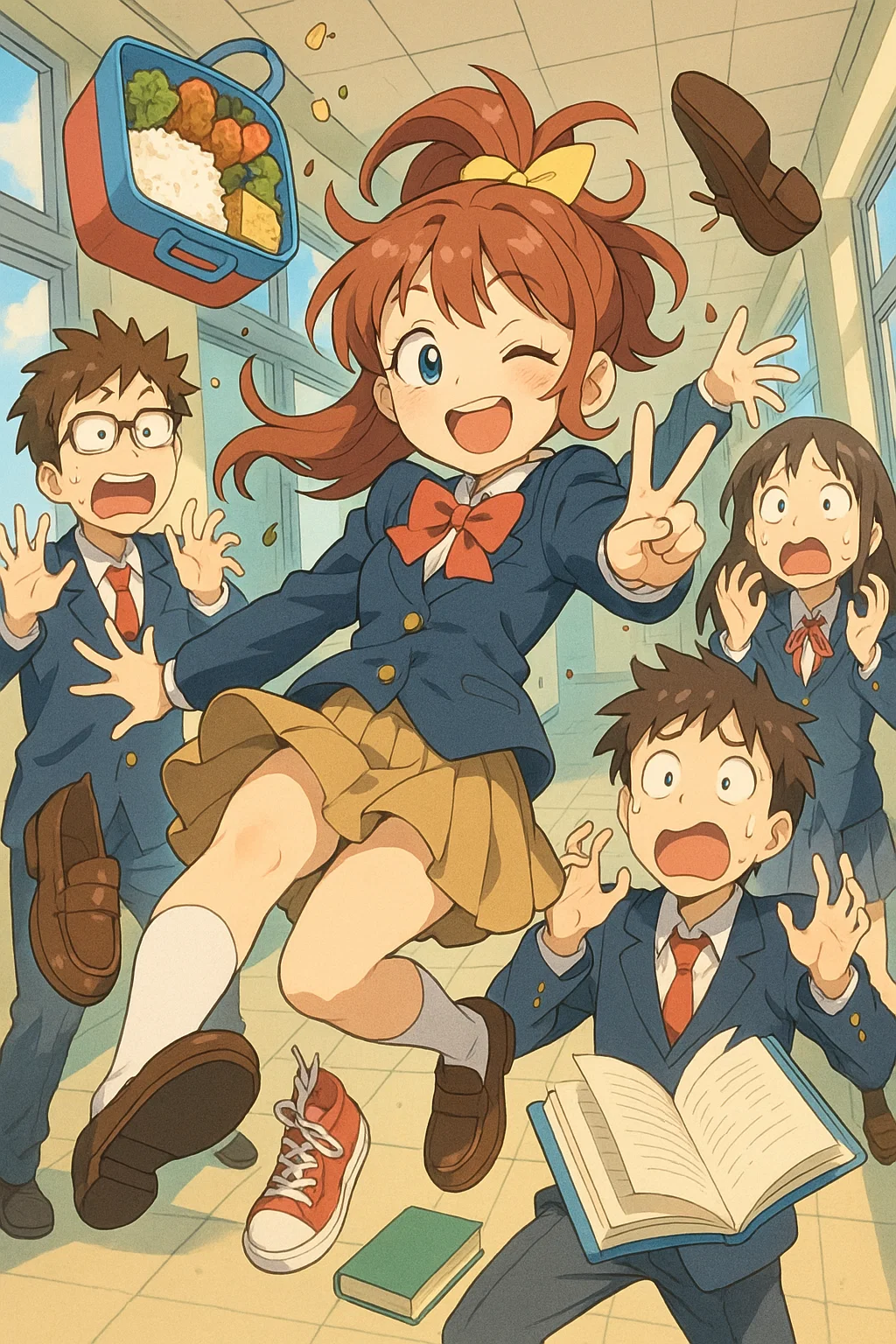
    The Clumsy Girl as Comic Relief

    This classic manga trope shows up in countless rom-coms: a beautiful girl who’s constantly falling, tripping, or spilling things. It’s often used to make her appear cute or “relatable,” but it rarely adds real depth.

    Why It Needs to Go:
    Perpetuates shallow characterization and outdated gender stereotypes.

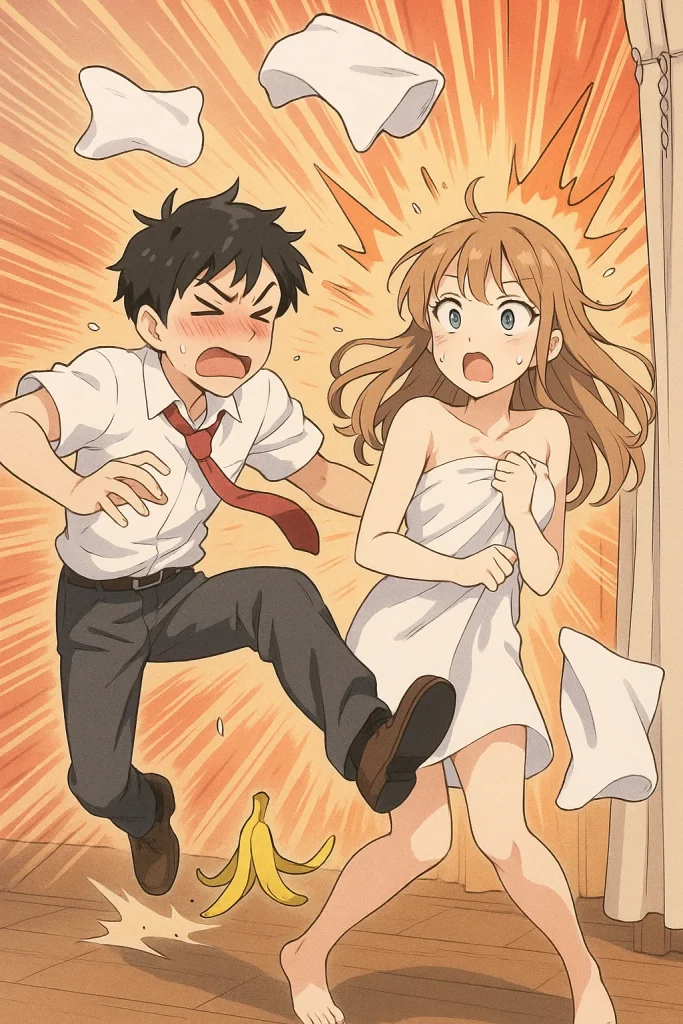
    “Accidental” Pervert Situations

    You’ve seen it: the male protagonist falls and lands in a compromising position on a female character. These scenes are meant to be comedic but are often uncomfortable and overused.

    Why It Needs to Go:
    Overdone and often cringeworthy, especially in modern storytelling.

    Villains Turned Friends Instantly

    This manga trope is especially common in shonen series. After a big battle, a major villain suddenly becomes best friends with the hero. While redemption arcs can work, they often feel rushed and unearned.

    Why It Needs to Go:
    Undermines the emotional weight of conflict and resolution.

    The Power of Friendship Solves Everything

    While themes of unity and teamwork are great, relying on “nakama power” to overcome impossibly strong foes without any logical setup weakens the story.

    Why It Needs to Go:
    Feels like a lazy narrative shortcut, especially in battle-centric manga.

    Love Triangles That Go Nowhere

    Romance manga, particularly shoujo, often includes love triangles where one character clearly stands no chance. These setups create unnecessary drama and drag the story without adding value.

    Why It Needs to Go:
    Wastes narrative time and frustrates readers with predictable outcomes.

    The Useless Adult Characters

    In many manga, adults—especially parents or teachers—are completely absent or hopelessly incompetent. While this gives young characters more freedom, it often feels unrealistic and repetitive.

    Why It Needs to Go:
    Prevents richer world-building and mature conflict resolution.

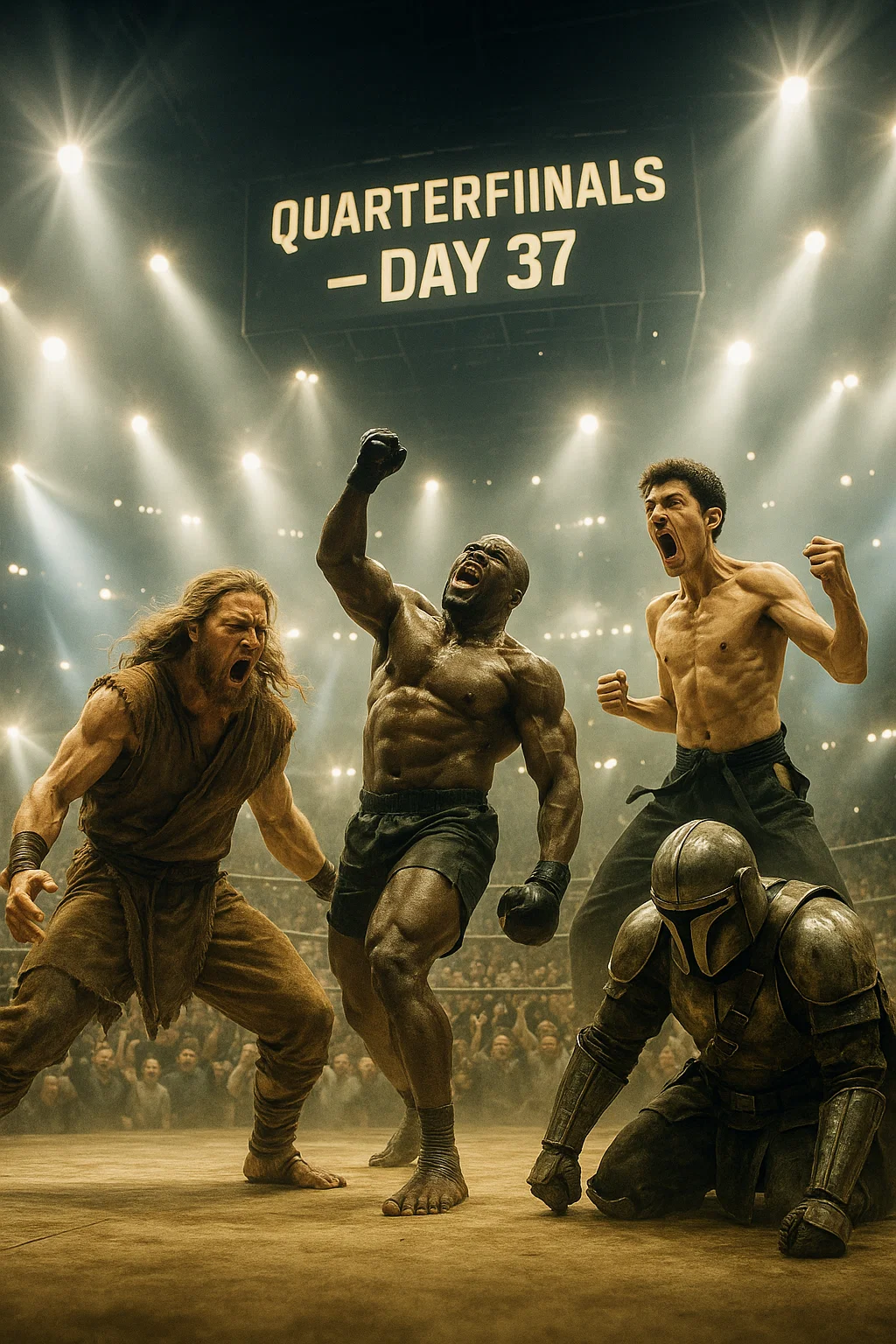
    Long, Drawn-Out Tournament Arcs

    While tournament arcs can be exciting, some manga overextend them with endless battles, filler fights, and delayed stakes. What begins as hype turns into fatigue.

    Why It Needs to Go:
    Kills pacing and can lead to reader burnout.

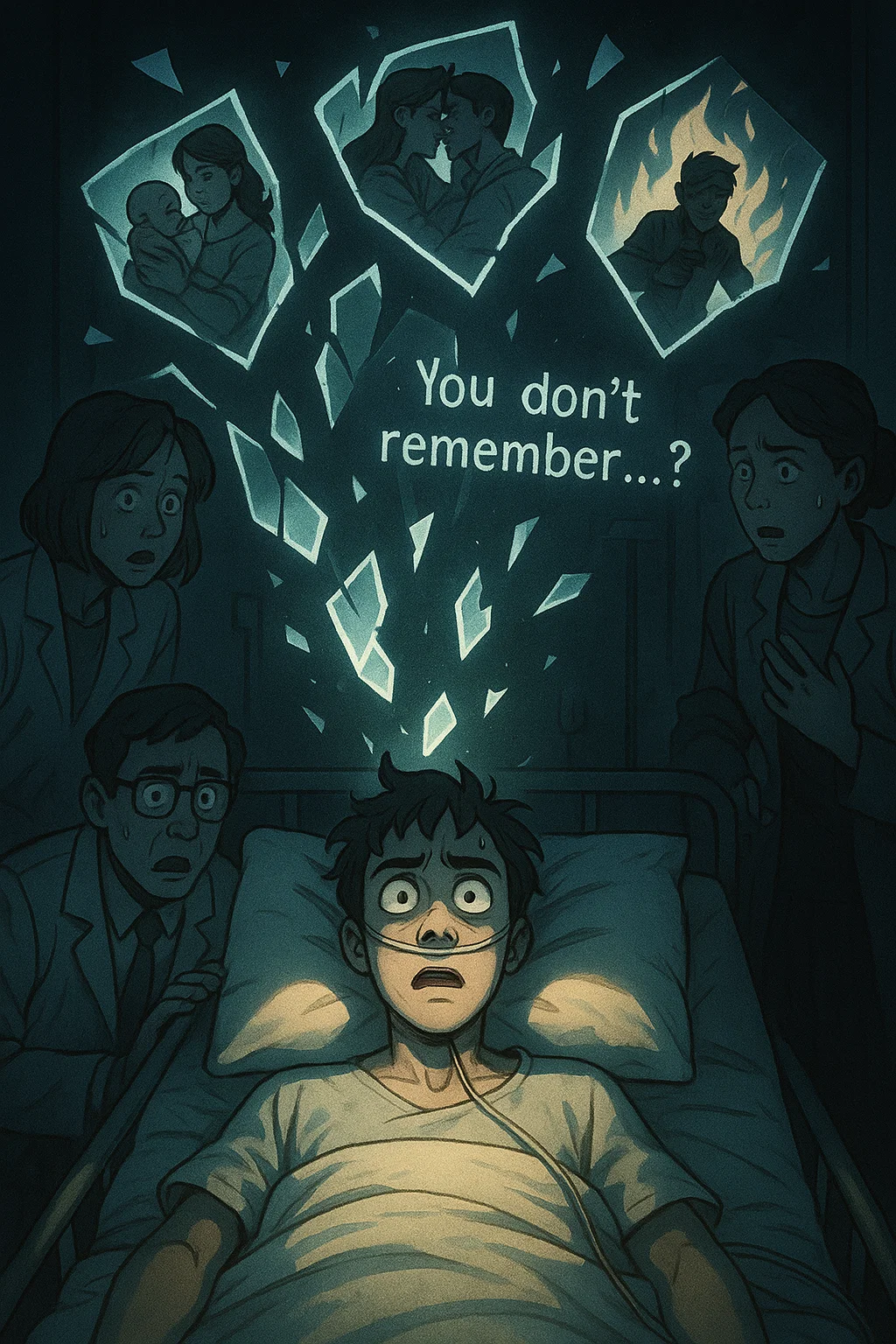
    Amnesia as a Plot Device

    Amnesia is often used in manga tropes to create mystery or drama. However, it’s become a lazy fallback when writers don’t know how to move the plot forward or deepen characters.

    Why It Needs to Go:
    Overused and rarely used in a fresh or meaningful way.

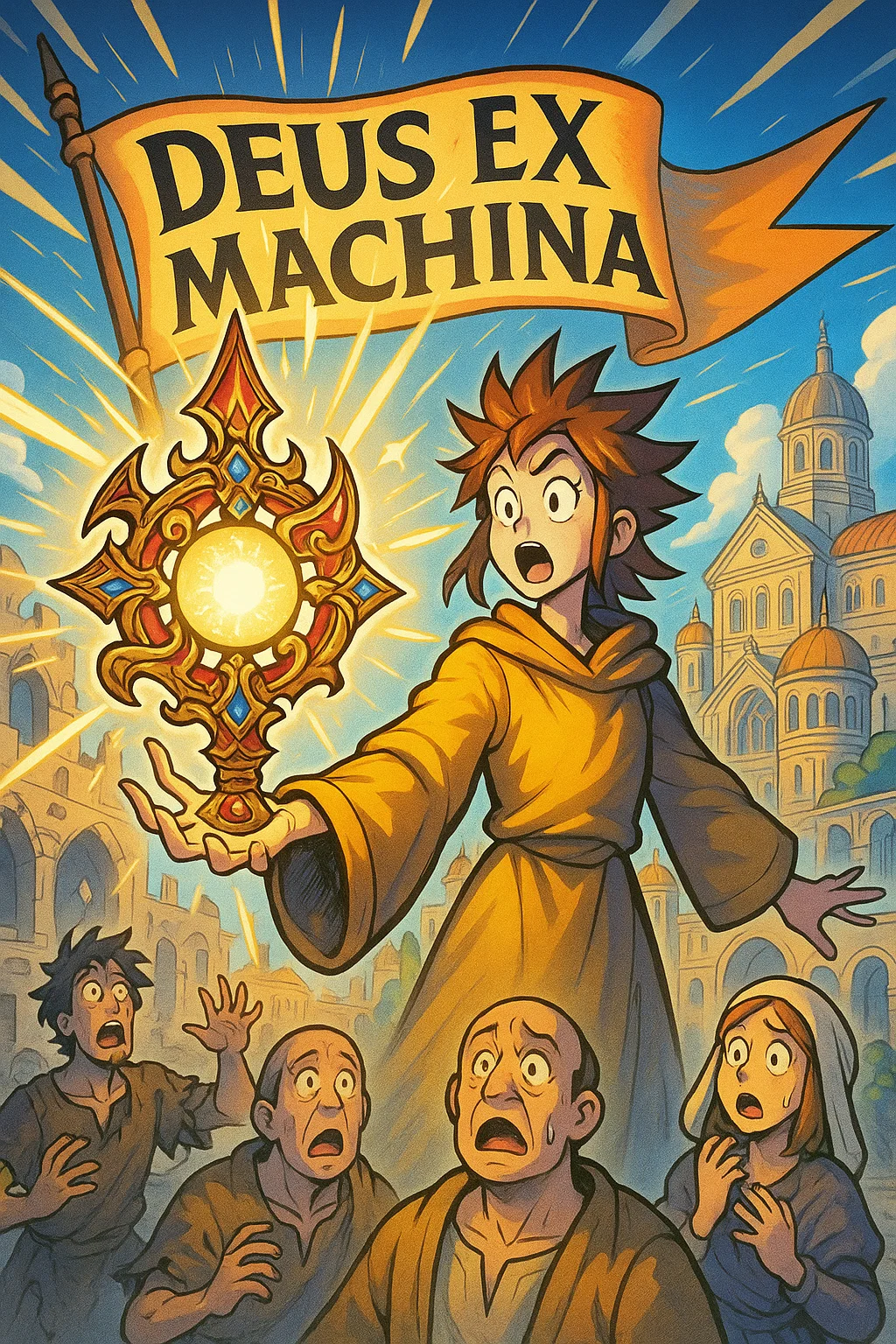
    Magical Fix-It-All Items

    A sudden magical item or power that conveniently resolves a major issue without proper foreshadowing can break immersion. It’s the manga version of “deus ex machina.”

    Why It Needs to Go:
    Destroys plot credibility and disappoints invested readers.

    Final Thoughts

    While some manga tropes have stood the test of time, others are ready to retire. Removing outdated or lazy storytelling devices opens the door for fresh, engaging narratives that resonate with today’s readers. Creators who take risks and innovate beyond traditional formulas will shape the future of manga.

    Related Articles

  • Best Time-Travel Manga Stories

    Best Time-Travel Manga Stories

    Introduction

    Time-travel manga has long captivated readers with its blend of science fiction, romance, mystery, and drama. Whether it’s a thrilling leap into the past to correct a tragic event or a futuristic detour into alternate timelines, these stories tap into the universal desire to change fate. If you’re looking to dive into stories where timelines collide and destinies are rewritten, this list of the best time-travel manga is for you.

    Steins;Gate

    One of the most iconic time-travel manga, Steins;Gate follows Rintarou Okabe, a self-proclaimed mad scientist who accidentally discovers how to send messages to the past using a microwave. What begins as harmless experimentation soon spirals into a desperate race against time. With a perfect blend of science, suspense, and emotion, this series is a must-read for time-travel fans.

    Why Read It:
    Complex narrative, deeply emotional character arcs, and a gripping depiction of cause-and-effect consequences.

    Erased (Boku dake ga Inai Machi)

    This time-travel manga masterfully mixes thriller and drama. Satoru Fujinuma, a struggling manga artist, has a mysterious ability to go back in time moments before a tragedy occurs. After a personal loss, he is sent 18 years into the past to prevent the kidnapping and murder of his classmates.

    Why Read It:
    Emotional storytelling, strong character development, and an intense mystery that keeps you hooked.

    Tokyo Revengers

    A compelling fusion of gang wars and time-travel, Tokyo Revengers follows Takemichi Hanagaki, who is sent back 12 years to save his ex-girlfriend from being murdered by a violent gang. He must infiltrate and rise through the ranks of the gang to change the future.

    Why Read It:
    Fast-paced action, emotional stakes, and deep themes of redemption and friendship.

    Re:Zero – Starting Life in Another World

    While often classified under the isekai genre, Re:Zero is also a brilliant time-travel manga thanks to its “Return by Death” mechanic. Subaru Natsuki is transported to another world, and every time he dies, he resets to a previous point, reliving events and trying to alter outcomes.

    Why Read It:
    Dark fantasy combined with psychological drama and a unique take on looping time.

    Orange

    For those looking for a softer, more emotional time-travel manga, Orange delivers. High schooler Naho receives a letter from her future self warning her of regrets involving a new transfer student, Kakeru. The story explores how even small actions can impact someone’s future.

    Why Read It:
    Romantic, heartwarming, and grounded in emotional realism with a message about second chances.

    Your Name (Kimi no Na wa)

    Originally a novel and anime, the manga adaptation of Your Name captures the beauty of time, fate, and longing. Two teens mysteriously begin switching bodies across time, and a deeper, tragic connection begins to unfold.

    Why Read It:
    Stunning storytelling with a bittersweet tone, perfect for fans of time-travel with a romantic twist.

    Zipang

    Zipang offers a military twist on the time-travel manga concept. A modern Japanese naval ship is transported back to World War II. The crew must choose between altering history or preserving it, all while facing ethical dilemmas and wartime horrors.

    Why Read It:
    Gripping historical fiction and philosophical questions about war and responsibility.

    Again!!

    This underappreciated gem follows Kinichiro, who is transported back to the beginning of high school after a freak accident. He decides to relive his school life differently, including helping to rebuild a long-forgotten cheerleading club.

    Why Read It:
    A nostalgic and humorous take on second chances with quirky characters and personal growth.

    Final Thoughts

    Time-travel manga allows readers to question destiny, explore alternate realities, and experience the emotional weight of second chances. Whether you’re into thrillers, romance, science fiction, or heartfelt drama, there’s a time-travel story that resonates with everyone.

    Related Articles

  • How to Spot a Good Manga Just by the Cover

    How to Spot a Good Manga Just by the Cover

    Introduction

    They say “don’t judge a book by its cover,” but in the world of manga, the cover can actually tell you a lot. For seasoned fans and curious newcomers alike, judging manga covers is an art form that helps you spot quality storytelling, artwork, and genre at a glance. In this article, we’ll explore how to identify a potentially good manga just by looking at its cover, no spoilers, no previews, just visual intuition.

    Key Elements

    Check the Art Style Quality

    A well-drawn cover often reflects the quality inside. While style can vary by genre, consistency, clean linework, and thoughtful composition are indicators of a skilled artist.

    • Tip: Look for dynamic poses, expressive faces, and attention to detail.
    • Red Flag: Overly cluttered or stiff covers might indicate amateur execution.

    Observe the Character Design

    Covers that highlight character design give insight into the manga’s tone and world. Unique outfits, facial expressions, and posture can hint at personality and genre.

    Notice the Color Palette and Mood

    Colors evoke emotion. A bright and pastel-colored cover usually indicates something light-hearted or comedic, while darker tones suggest horror, mystery, or serious drama.

    • Light Colors: Comedy, romance, slice of life
    • Dark Tones: Thriller, horror, psychological, seinen

    Look at the Logo and Title Design

    Typography isn’t just decoration—it conveys genre. A playful, rounded title font hints at a youth-oriented manga. Sharp, serif or minimalist fonts may reflect a darker or more mature story.

    Check How Characters Are Positioned

    The layout of the characters on the cover can hint at relationships, hierarchy, or importance in the story.

    • Group Shot: Could point to team-based adventures or ensemble casts.
    • Centered Solo Character: Usually indicates a character-driven plot.

    Examine the Background Elements

    Does the cover have a setting behind the characters? A cityscape, battlefield, or magical forest offers clues about the world-building and genre.

    • Detailed Backgrounds: Often signal thoughtful world-building.
    • Minimal Backgrounds: Might focus more on character introspection or stylized storytelling.

    Pay Attention to Volume Number One Covers

    Manga Volume 1 covers are designed to make a strong first impression. Publishers often put extra effort into these, making them a reliable source for judging overall tone and quality.

    • Tip: Compare Volume 1 covers across titles in the same genre to sharpen your eye.

    Look for Award Stickers or Notable Labels

    Some covers feature award stamps (like the Shogakukan Manga Award) or “From the creator of…” labels. These are strong indicators of a quality series or reputable author.

    • Pro Tip: Keep an eye out for manga with adaptations or anime tie-ins—they often appear on the cover.

    Final Thoughts

    While it’s not foolproof, mastering the art of judging manga covers can save time and lead you to hidden gems. From art style and character design to color and typography, the clues are all there if you know what to look for. So next time you’re browsing a bookstore or scrolling through online titles, trust your eye and let the cover guide your curiosity.

    Related Articles

  • Best Manga for People Who Hate Reading

    Best Manga for People Who Hate Reading

    Introduction

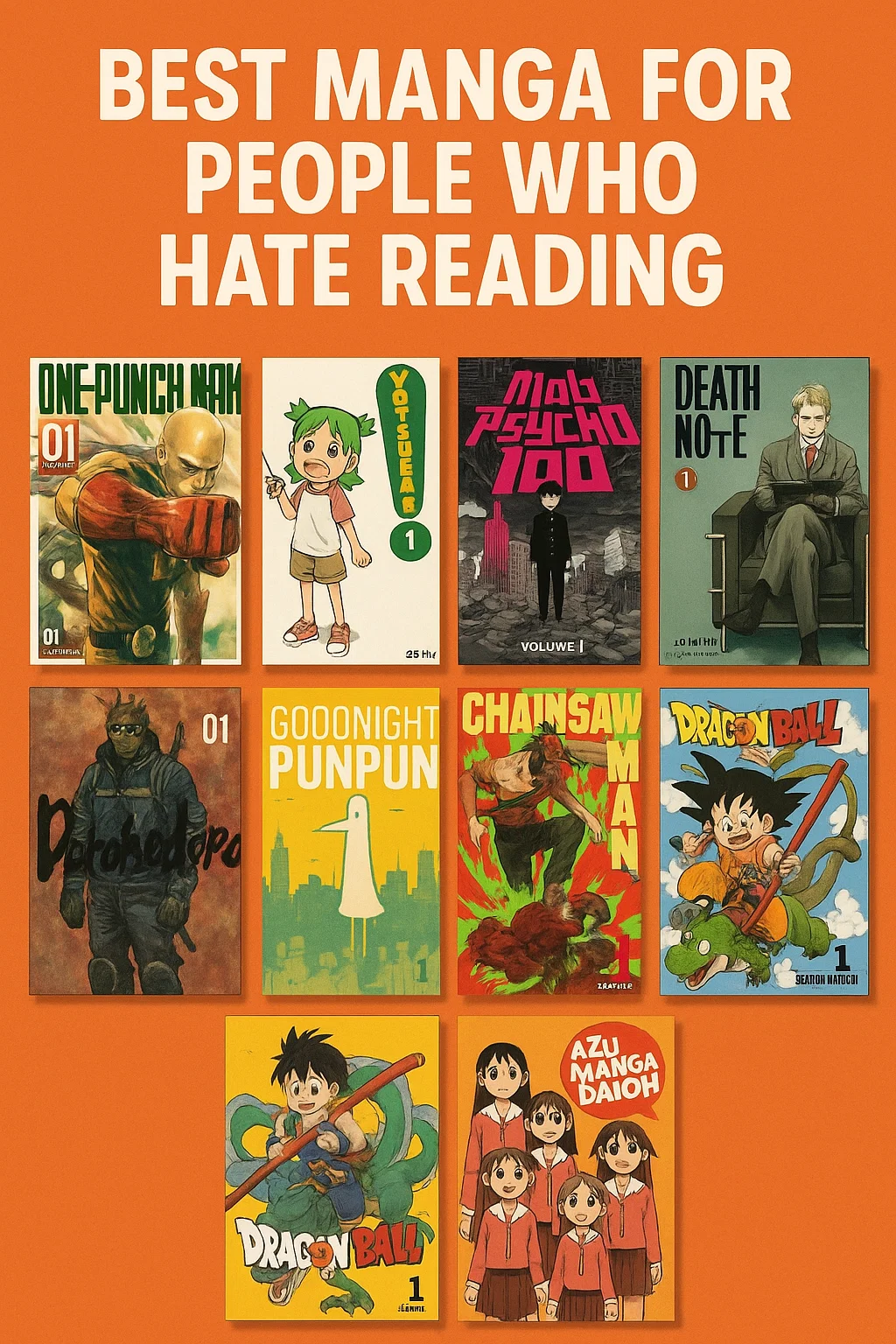
    Not everyone enjoys reading, but manga can change that. With its striking artwork, minimal text, and cinematic pacing, manga offers an engaging alternative to traditional novels. Whether you’re a reluctant reader or just someone who prefers visuals over long paragraphs, this guide highlights the best manga for non-readers that are easy to follow, visually gripping, and highly entertaining.

    Manga for People Who Hate Reading

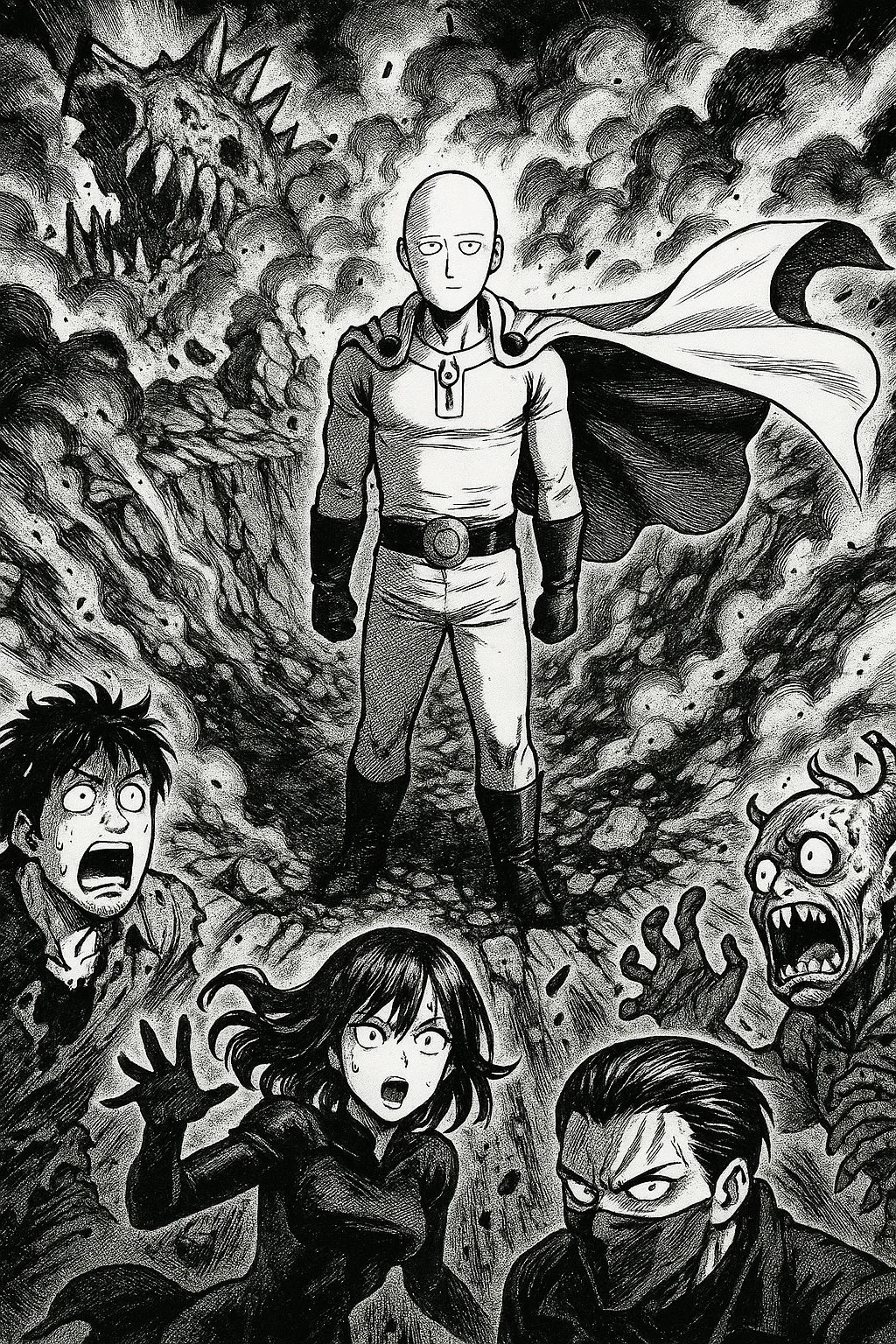
    One-Punch Man

    Why It Works:
    Packed with explosive art, over-the-top action, and sharp humor, One-Punch Man is fast, funny, and never text-heavy. The visual pacing makes it feel like an animated series in book form.

    Perfect For: Action lovers and anyone who enjoys superhero parodies.

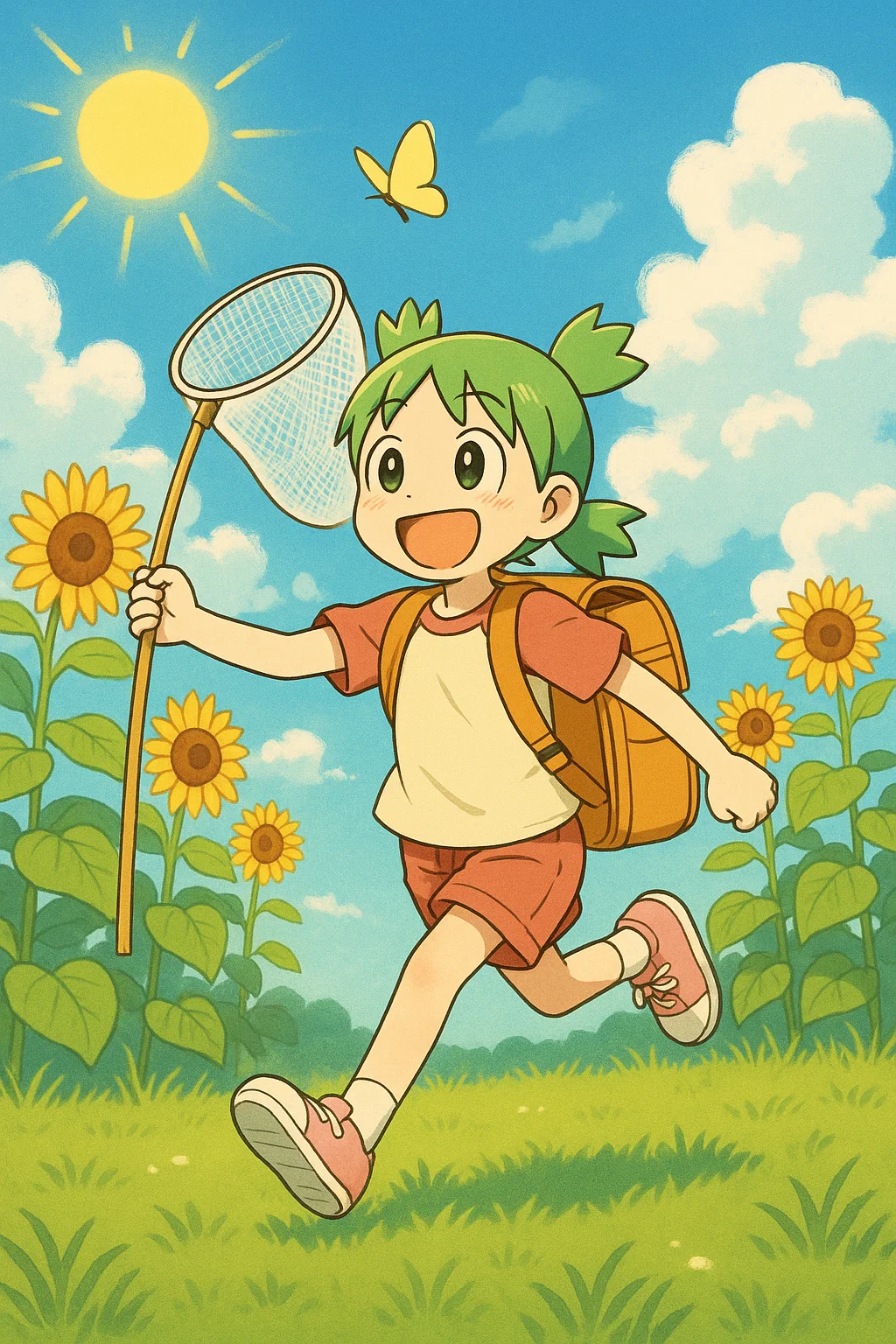
    Yotsuba&!

    Why It Works:
    This slice-of-life manga features short, self-contained stories centered around the curious and hilarious Yotsuba. It’s heartwarming, simple, and filled with expressive visuals that carry the story effortlessly.

    Perfect For: Casual readers, kids, and adults looking for light-hearted fun.

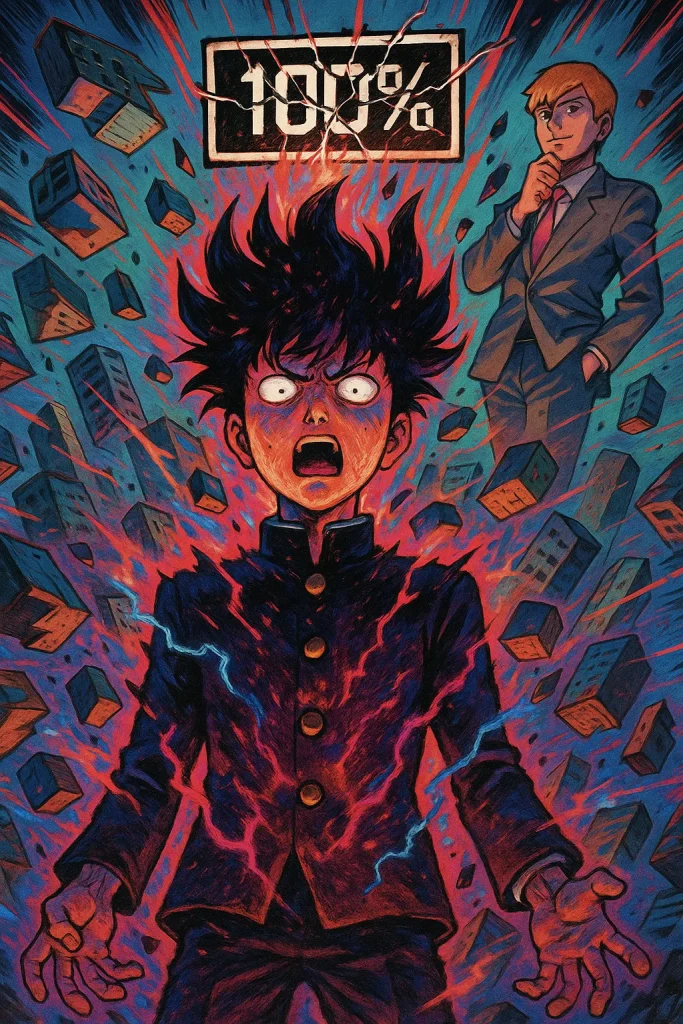
    Mob Psycho 100

    Why It Works:
    With bold, expressive art and short dialogue, Mob Psycho 100 is easy to follow. Its mix of action and emotion is delivered visually, with minimal reading required to understand the stakes.

    Perfect For: Visual learners and fans of quirky supernatural stories.

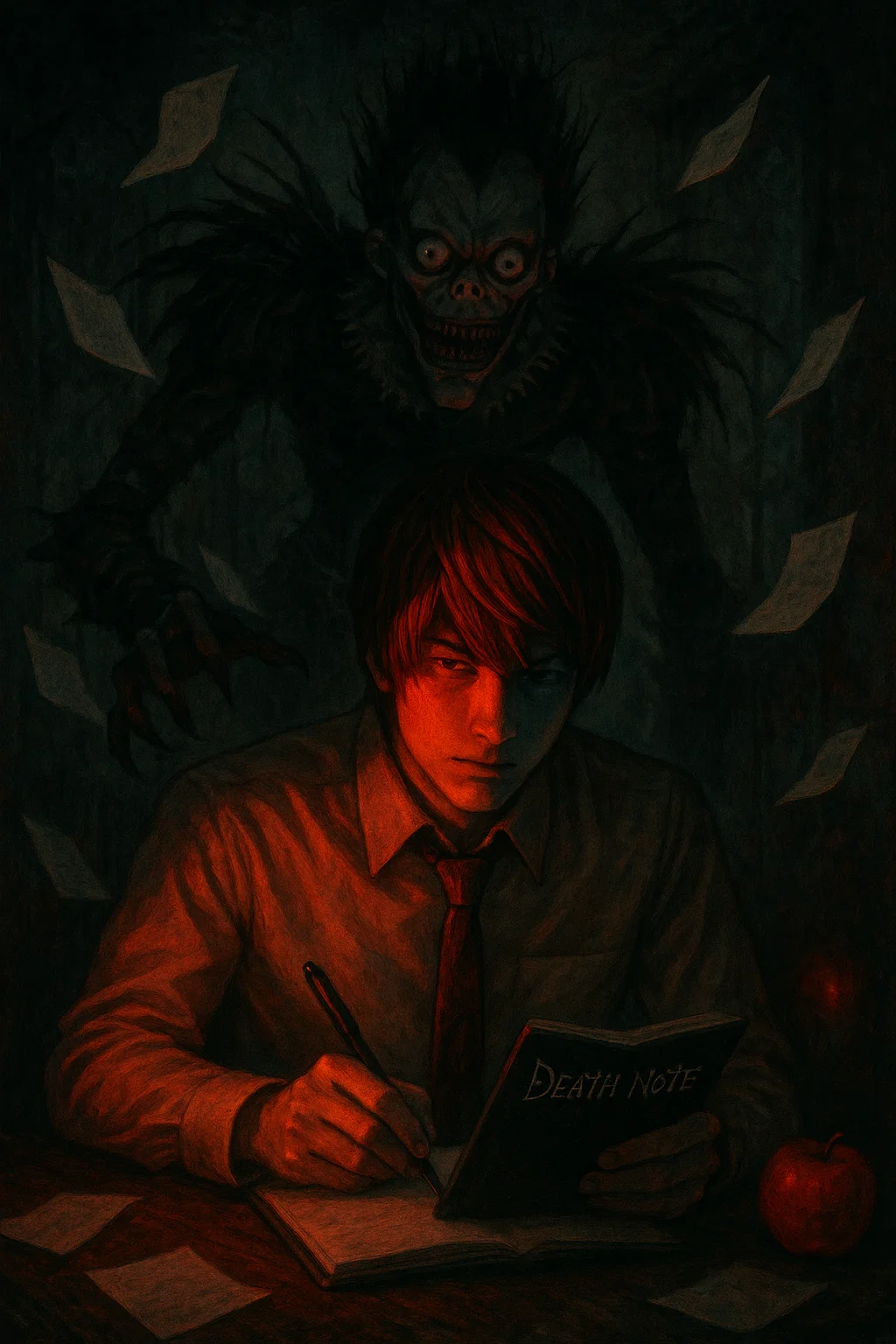
    Death Note

    Why It Works:
    Despite its deep themes, Death Note uses clear visual storytelling and a gripping plot to hook readers quickly. The suspense keeps non-readers turning pages without feeling overwhelmed.

    Perfect For: Fans of mystery, thrillers, or psychological drama.

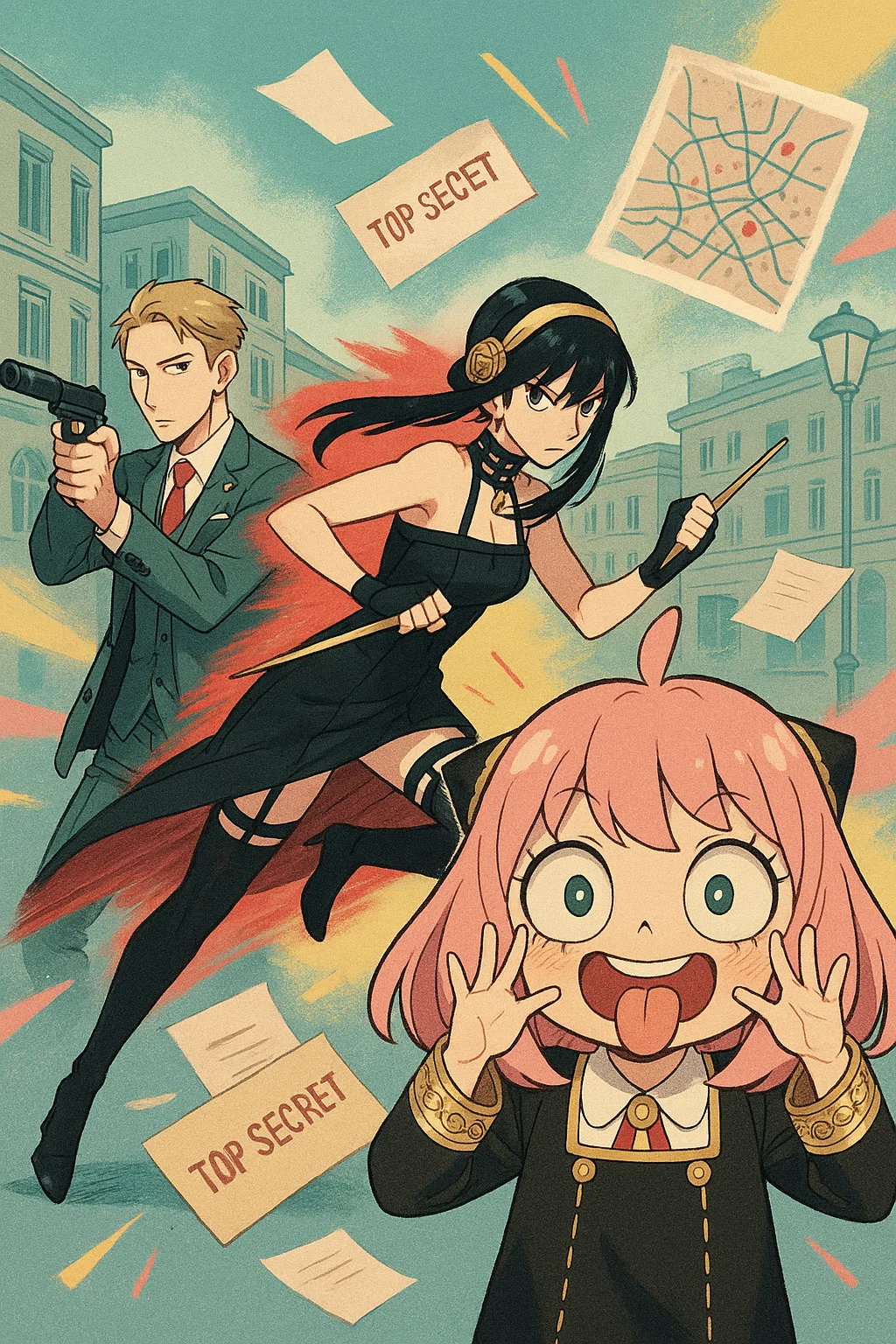
    Spy x Family

    Why It Works:
    The clean art style, comedic timing, and easy-to-understand plot make this series very approachable. The balance of action, family moments, and light dialogue is ideal for reluctant readers, making it one of the best manga series for beginners.

    Perfect For: Those who enjoy fun, family-centered spy stories with low reading pressure.

    Dorohedoro

    Why It Works:
    This series leans heavily on wild, chaotic visuals and dark humor, making it ideal for readers who prefer fast, immersive art over long conversations.

    Perfect For: Fans of gritty aesthetics and offbeat characters.

    Goodnight Punpun

    Why It Works:
    While emotionally heavy, Goodnight Punpun uses symbolic artwork and minimalist dialogue. Much of the story is told through visuals and atmosphere rather than exposition.

    Perfect For: Visual thinkers looking for deeper emotional storytelling without heavy reading.

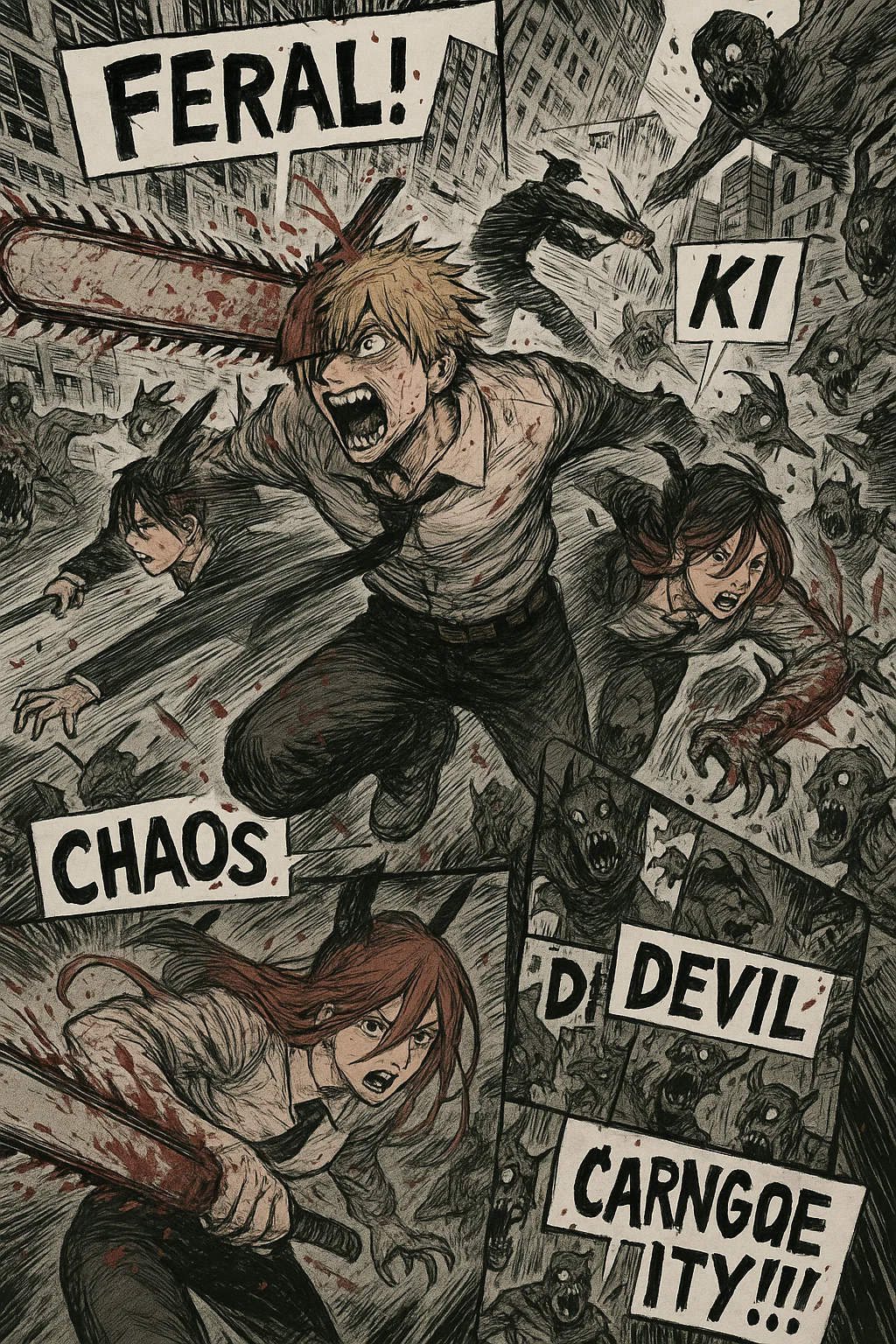
    Chainsaw Man

    Why It Works:
    With fast-paced panels, simple dialogue, and outrageous action, Chainsaw Man is chaotic fun. The story moves quickly, pulling you along without long explanations.

    Perfect For: Anyone who wants raw energy and horror-comedy in a visual format.

    Dragon Ball

    Why It Works:
    Classic shonen at its most accessible. The early Dragon Ball chapters are action-packed and humorous, with clear paneling and little text. It’s easy to follow, even if you’re new to manga.

    Perfect For: New readers and fans of iconic characters and fights.

    Azumanga Daioh

    Why It Works:
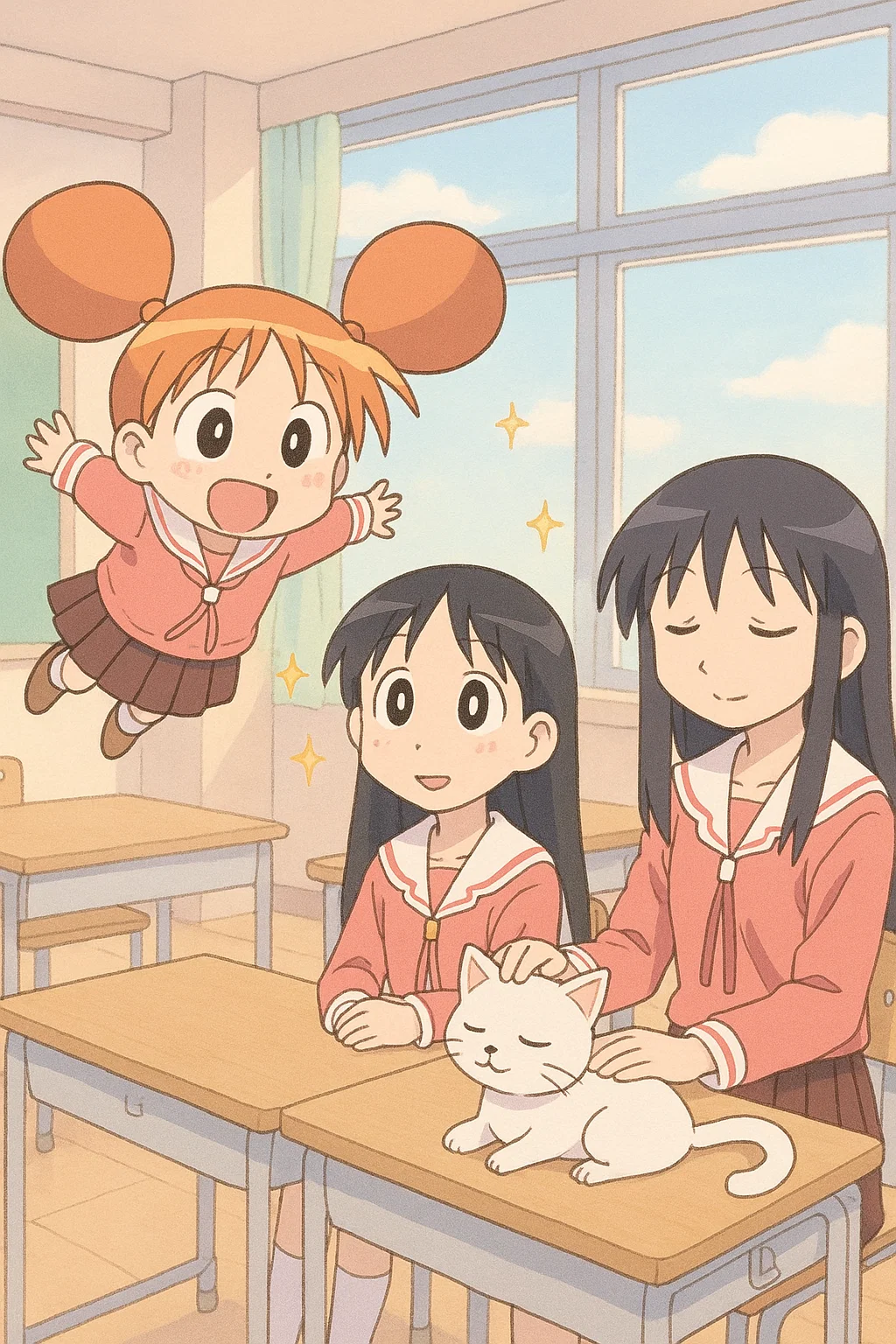
    Presented in a 4-panel comic strip style, this manga is easy to digest and doesn’t require a long attention span. The humor and relatable school-life moments are delivered in bite-sized chunks.

    Perfect For: People who enjoy comics or daily strips over long reads.

    Final Thoughts

    If you’ve always said, “I don’t like reading,” manga might be the gateway to changing your mind. These titles are designed for accessibility, offering powerful visuals, straightforward plots, and minimal text. Whether you like action, comedy, or slice-of-life, the best manga for non-readers makes storytelling fun, fast, and unforgettable.

    Related Articles

  • Manga Reading Order for Confusing Series

    Manga Reading Order for Confusing Series

    Introduction

    Some manga series aren’t as straightforward as reading from Volume 1 to the final volume. Between prequels, spin-offs, sequels, alternate timelines, and adaptations, it can get tricky to figure out the correct manga reading order for certain titles. Whether you’re a newcomer or revisiting a favorite, this guide outlines how to read some of the most confusing manga series in the right order to avoid spoilers and fully understand the plot.

    Fate Series

    Recommended Manga Reading Order:

    1. Fate/Zero (Prequel)
    2. Fate/stay night
      • Fate Route (rare in manga, mainly visual novel)
      • Unlimited Blade Works
      • Heaven’s Feel

    Why It’s Confusing:
    The Fate franchise spans multiple timelines and character versions. Reading chronologically can clarify the narrative, but publication order reveals plot twists more naturally.

    Tokyo Ghoul

    Recommended Manga Reading Order:

    1. Tokyo Ghoul (Vol. 1–14)
    2. Tokyo Ghoul:re (Vol. 1–16)

    Why It’s Confusing:
    Many readers mistake Tokyo Ghoul:re for a reboot rather than a direct sequel. Reading in order is crucial for understanding character development and lore.

    Berserk

    Recommended Manga Reading Order:

    1. The Black Swordsman Arc (Vol. 1–3)
    2. The Golden Age Arc (Vol. 3–14)
    3. Continue forward from Vol. 14 onward

    Why It’s Confusing:
    The story starts mid-journey, then flashes back to the beginning. While reading chronologically is possible, the publication order is preferred for pacing and impact.

    Hellsing and Hellsing: The Dawn

    Recommended Manga Reading Order:

    1. Hellsing (Vol. 1–10)
    2. Hellsing: The Dawn (Prequel chapters – optional after Vol. 5)

    Why It’s Confusing:
    The Dawn was published later as a short prequel. Reading it after the main story keeps spoilers minimal and enhances the backstory.

    Tsubasa: Reservoir Chronicle & xxxHOLiC

    Recommended Manga Reading Order:

    1. xxxHOLiC (Start Vol. 1–7)
    2. Tsubasa: Reservoir Chronicle (Read alongside xxxHOLiC Vol. 7–15)
    3. Alternate chapters from both series (or follow a crossover guide)
    4. xxxHOLiC (Continue to the end)
    5. Tsubasa (Finish the series)

    Why It’s Confusing:
    These CLAMP series are deeply intertwined. Characters and plot events cross over, requiring synchronized reading for full context.

    JoJo’s Bizarre Adventure

    Recommended Manga Reading Order:

    1. Phantom Blood (Part 1)
    2. Battle Tendency (Part 2)
    3. Stardust Crusaders (Part 3)
    4. Diamond is Unbreakable (Part 4)
    5. Vento Aureo (Part 5)
    6. Stone Ocean (Part 6)
    7. Steel Ball Run (Part 7 – alternate universe)
    8. JoJolion (Part 8)
    9. The JOJOLands (Part 9 – ongoing)

    Why It’s Confusing:
    The series resets its universe in later parts, and each part features new protagonists and timelines. Reading in order is key for understanding recurring themes and references.

    Neon Genesis Evangelion (Manga vs. Anime)

    Recommended Manga Reading Order:

    1. Neon Genesis Evangelion (Main manga series by Yoshiyuki Sadamoto)
    2. Optional spin-offs (Shinji Ikari Raising Project, Campus Apocalypse, etc.)

    Why It’s Confusing:
    The manga diverges from the anime in several key areas. Reading the manga version first (or after the original anime) offers a deeper and more psychological take on the characters.

    CLAMP Multiverse (Beyond xxxHOLiC & Tsubasa)

    Recommended Manga Reading Order:

    1. Cardcaptor Sakura
    2. Angelic Layer
    3. Chobits
    4. xxxHOLiC & Tsubasa
    5. Clamp School Detectives (Optional for crossover context)

    Why It’s Confusing:
    CLAMP characters and stories exist in a shared multiverse. While each series can be read alone, cross-references are common and best understood through a broader reading scope.

    Final Thoughts

    Navigating complex timelines and spin-offs can be overwhelming, but with the right manga reading order, even the most intricate series become accessible and more enjoyable. Whether you’re diving into psychological thrillers or multiverse adventures, following a guided order ensures you don’t miss crucial story beats or character arcs.

    Related Articles

  • Most Iconic Manga Panels in History

    Most Iconic Manga Panels in History

    Introduction

    Manga is a visual storytelling medium, and sometimes a single panel can leave a lasting impression that resonates for decades. These iconic manga panels often capture emotional peaks, shocking twists, or artistically breathtaking moments that define a character, a series, or even the genre itself. In this article, we highlight the most legendary manga panels that continue to inspire fans and creators around the world.

    Iconic Manga Panels

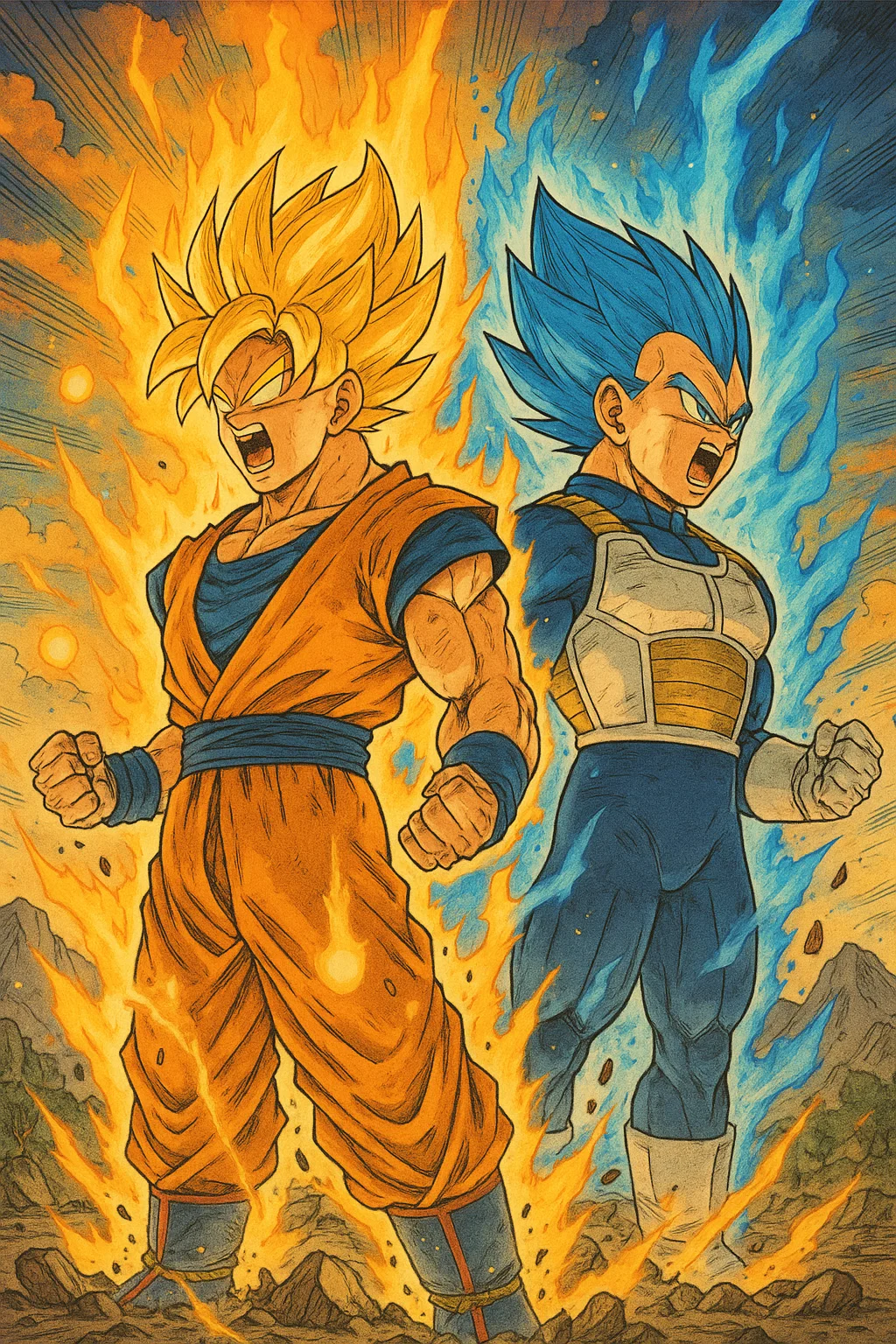
    Goku Goes Super Saiyan for the First Time – Dragon Ball Z

    Why It’s Iconic:
    Goku’s transformation into a Super Saiyan against Frieza is one of the most celebrated scenes in manga history. The raw emotion and explosive power captured in that panel elevated the intensity of shonen manga forever.

    Impact: Set the standard for dramatic power-up scenes in action manga.

    L’s Death – Death Note

    Why It’s Iconic:
    The panel showing L’s final moments is hauntingly quiet and emotionally devastating. The use of lighting, symbolism (the apple), and positioning adds deep layers to a pivotal turning point in Death Note.

    Impact: A masterclass in using visual silence to deliver emotional shock.

    “I Am Here!” – All Might – My Hero Academia

    Why It’s Iconic:
    All Might’s bold stance and radiant energy in the “I Am Here!” panel perfectly encapsulate the spirit of heroism. It’s a defining image of hope and strength that instantly became symbolic of the series.

    Impact: Modern shonen’s most recognizable heroic panel.

    Eren’s Declaration – “I’ll Destroy Them All” – Attack on Titan

    Why It’s Iconic:
    Eren’s chilling statement, paired with his intense expression, marks a turning point in both the narrative and his character arc. The panel symbolizes a descent into obsession and revenge.

    Impact: A bold shift in tone that set the stage for darker developments.

    Griffith’s Transformation into Femto – Berserk

    Why It’s Iconic:
    This grotesque, cosmic panel from the Eclipse arc captures Griffith’s fall from humanity and the horrific cost of ambition. Kentaro Miura’s detailed, horrifying artwork makes this moment unforgettable.

    Impact: One of the darkest and most artistically complex panels in manga.

    “Nothing Happened” – Zoro – One Piece

    Why It’s Iconic:
    After taking Luffy’s pain to protect his crew, Zoro stands bloodied and stoic, uttering the now-legendary phrase: “Nothing happened.” This panel defines loyalty, sacrifice, and honor.

    Impact: Cemented Zoro’s status as one of manga’s greatest supporting characters.

    The Fullmetal Sacrifice – Fullmetal Alchemist

    Why It’s Iconic:
    Edward’s final transmutation to bring Alphonse back, captured in a single, emotionally packed panel, represents the culmination of years of struggle, growth, and brotherly love.

    Impact: A perfect blend of emotion and philosophical resolution.

    The Abyss Revealed – Made in Abyss

    Why It’s Iconic:
    The first full-panel shot of the Abyss is awe-inspiring and terrifying. Its immense scale and detail immediately immerse readers into the mysterious world, showcasing manga’s power in environmental storytelling.

    Impact: A stunning use of visual world-building in a single moment.

    Kaneki’s Mask Reveal – Tokyo Ghoul

    Why It’s Iconic:
    The panel of Kaneki fully embracing his ghoul side, with his new mask and chilling monologue, marks a major turning point in the series. It’s dark, bold, and emotionally raw.

    Impact: One of the most defining moments of identity and transformation in manga.

    “This is Goodbye” – Thorfinn’s Redemption – Vinland Saga

    Why It’s Iconic:
    In a silent, peaceful panel, Thorfinn walks away from a life of violence, embodying true character growth. The art’s simplicity amplifies the gravity of his decision.

    Impact: A powerful, non-violent resolution that challenges the norms of seinen storytelling.

    Final Thoughts

    These iconic manga panels are more than just great art—they’re emotional anchors, turning points, and unforgettable visual moments that define entire series. Whether it’s through explosive action, tragic sacrifice, or quiet introspection, these panels remind us why manga remains one of the most powerful storytelling forms in the world.

    Related Articles

  • Best Friendship Dynamics in Manga

    Best Friendship Dynamics in Manga

    Introduction

    Manga is known for its thrilling plots and unforgettable characters, but what often leaves a lasting impression are the relationships—especially friendships. Whether forged in battle, nurtured through hardship, or built on years of trust, powerful manga friendships add emotional depth and authenticity to the story. In this article, we explore some of the most memorable and influential friendship dynamics in manga that uplift, inspire, and resonate with readers worldwide.

    Best Friendship Dynamics

    Naruto & Sasuke – Naruto

    Their rivalry-turned-brotherhood is one of the most emotionally charged friendships in shonen history. Through betrayal, redemption, and countless battles, Naruto’s unwavering belief in Sasuke becomes a powerful symbol of forgiveness and hope.

    Luffy & The Straw Hat Crew – One Piece

    Monkey D. Luffy’s relationship with his diverse and loyal crewmates exemplifies the “found family” trope. Their shared dreams and mutual respect create a tight-knit group that’s willing to risk everything for one another.

    Gon & Killua – Hunter x Hunter

    The bond between these two young boys is both pure and complex. Killua’s dark background contrasts Gon’s innocence, and their friendship helps both grow emotionally, ethically, and mentally throughout their journey.

    Edward & Alphonse Elric – Fullmetal Alchemist

    As brothers and best friends, Ed and Al’s relationship is the emotional core of the series. Their sacrifices and unbreakable trust showcase how sibling bonds can elevate the meaning of friendship in manga.

    Mob & Reigen – Mob Psycho 100

    At first glance, Reigen seems like a conman exploiting Mob, but their evolving friendship reveals deep respect and support. Reigen’s belief in Mob’s humanity and Mob’s loyalty to Reigen is both hilarious and touching.

    Yusuke & Kuwabara – Yu Yu Hakusho

    From street fights to spirit battles, Yusuke and Kuwabara’s dynamic is built on rivalry and mutual respect. Their banter and brotherly support embody classic 90s manga friendships.

    Emma, Ray & Norman – The Promised Neverland

    This trio of gifted orphans demonstrate incredible teamwork and emotional intelligence. Their friendship is based on survival, trust, and a shared goal of saving others, making it both intense and inspiring.

    Hinata & Kageyama – Haikyuu!!

    Starting off as competitive rivals, Hinata and Kageyama develop into one of the strongest partnerships in sports manga. Their teamwork and mutual growth redefine what friendship means on and off the court.

    Senku & Chrome – Dr. Stone

    Their friendship blends science and curiosity. Chrome’s admiration for Senku and their mutual desire to rebuild civilization forms a strong intellectual and emotional bond.

    Light & L – Death Note (Complex & Twisted)

    Though more of a rivalry than friendship, the subtle respect and psychological connection between Light and L adds layers of complexity. Their “friendship” is a brilliant study in manipulation and mutual fascination.

    Final Thoughts

    Great manga friendships aren’t just about cheerful moments—they’re about emotional support, shared goals, and transformative growth. From brotherhood and rivalry to mentorship and teamwork, these unforgettable bonds bring depth and meaning to their stories. Whether you’re drawn to heartwarming dynamics or intense rivalries, the friendships in manga remain some of the most impactful elements in the medium.

    Related Articles

  • Manga Characters Who Changed the Genre

    Manga Characters Who Changed the Genre

    Iconic Manga Characters

    Over the decades, certain manga characters have done more than entertain—they’ve reshaped entire genres. Whether through groundbreaking personality traits, subversive roles, or massive cultural impact, these iconic manga characters became milestones in the evolution of manga storytelling. This article explores the figures who didn’t just exist in their worlds—they changed the landscape of manga forever.

    Best Iconic Manga Characters

    Goku – Dragon Ball

    Why He’s Iconic:
    Goku is arguably the blueprint for the shonen protagonist. His relentless spirit, cheerful attitude, and unyielding drive to improve set the standard for generations of manga heroes. His influence spans not just manga, but global pop culture.

    Genre Impact: Revolutionized the action and adventure shonen formula.

    Naruto Uzumaki – Naruto

    Why He’s Iconic:
    Naruto’s journey from outcast to hero inspired millions. He introduced emotional depth to the shonen hero archetype, tackling themes of loneliness, identity, and perseverance.

    Genre Impact: Brought deeper character arcs and emotional complexity to shonen manga.

    L – Death Note

    Why He’s Iconic:
    With his eccentric mannerisms and brilliant deductive skills, L redefined what a rival character could be. His cat-and-mouse battle with Light Yagami captivated readers and influenced countless mystery-thriller series.

    Genre Impact: Elevated psychological tension and cerebral rivalries in manga.

    Light Yagami – Death Note

    Why He’s Iconic:
    Light challenged moral boundaries as a main character. A high school genius turned self-righteous killer, he blurred the line between hero and villain.

    Genre Impact: Redefined the concept of the antihero in mainstream manga.

    Astro Boy – Astro Boy

    Why He’s Iconic:
    Created by Osamu Tezuka, Astro Boy is one of the earliest and most influential manga characters. As a robot with a human heart, he pioneered emotional storytelling in sci-fi manga.

    Genre Impact: Laid the foundation for modern manga and anime storytelling.

    Levi Ackerman – Attack on Titan

    Why He’s Iconic:
    Levi’s cold demeanor, tactical brilliance, and unmatched combat skills made him a fan favorite. More than just cool, his backstory added emotional depth to a dark and brutal series.

    Genre Impact: Set a new standard for side characters becoming breakout icons.

    Motoko Kusanagi – Ghost in the Shell

    Why She’s Iconic:
    Major Kusanagi is a cybernetic government agent who questions the nature of identity and consciousness. As a powerful female lead, she challenged gender roles and philosophical limits in sci-fi.

    Genre Impact: Elevated cyberpunk manga and pushed gender and existential boundaries.

    Thorfinn – Vinland Saga

    Why He’s Iconic:
    Starting as a revenge-driven warrior, Thorfinn’s transformation into a pacifist explorer breaks the typical arc of violent heroes. His journey reflects themes of redemption, trauma, and peace.

    Genre Impact: Redefined the protagonist arc in historical and seinen manga.

    Luffy – One Piece

    Why He’s Iconic:
    Monkey D. Luffy combines humor, heart, and heroism in a way that reshaped adventure manga. His loyalty and dream-driven personality have inspired generations of readers.

    Genre Impact: Reinvented the pirate genre and solidified the “found family” trope in manga.

    Sailor Moon – Sailor Moon

    Why She’s Iconic:
    Usagi Tsukino (Sailor Moon) brought magical girl manga to global heights. With her vulnerability and strength, she balanced femininity and power, making the magical girl genre mainstream.

    Genre Impact: Defined the magical girl genre and inspired countless anime and manga heroines.

    Final Thoughts

    These iconic manga characters weren’t just memorable—they were transformative. Through unique personalities, bold themes, and cultural impact, they reshaped manga genres and storytelling norms. Their legacies continue to influence new generations of manga artists and fans alike.

    Related Articles